
Averstar Chemical Editorial Team Updated November 7, 2026
Paraquat and Diquat: Bipyridylium Herbicide Buyer Guide
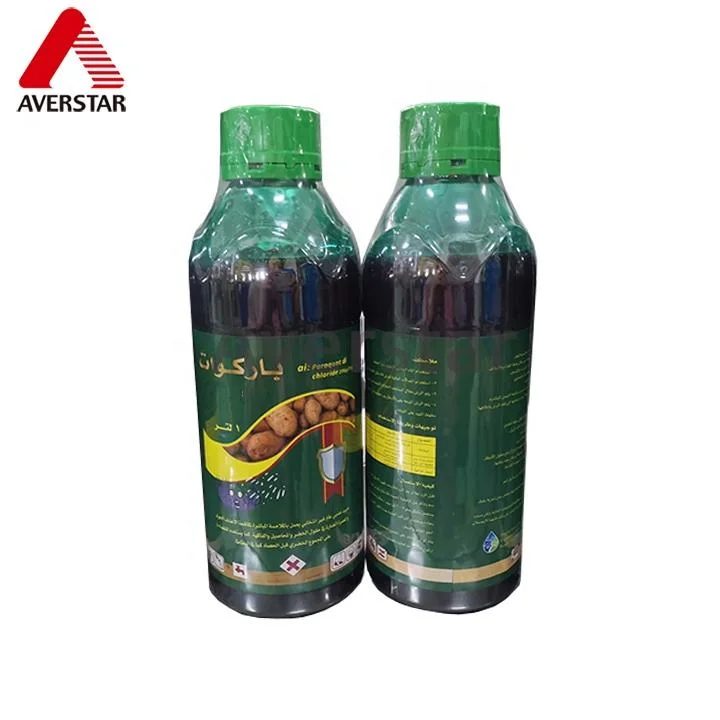
Paraquat and diquat are fast-acting contact herbicides that destroy green plant tissue within hours to days in sunlight. They are used for burndown before planting, directed sprays between rows, and, in the case of diquat, desiccation of crops before harvest. They are also among the most closely regulated herbicides because of their toxicity to people, so registration status and operator safety come before price for any buyer.
Averstar's catalogue lists paraquat dichloride 276 g/L SL and diquat SL at 200 g/L and 150 g/L. This guide explains how the two actives work, how their strength is expressed and which documents to request. The approved destination-market label always decides the permitted crops, sites, dose, timing and restrictions for the product actually supplied.
Quick answer: Confirm registration first, because paraquat and diquat are banned or restricted in many markets. Where registered, use them for contact burndown, directed weed control or desiccation as the label describes. They do not move into roots or stay active in soil, so perennial weeds regrow and later flushes need another treatment.
How bipyridylium herbicides work
Both actives divert electrons from photosystem I in green tissue, producing reactive oxygen that destroys cell membranes. The HRAC classification lookup places them in Group 22, formerly coded D. Damage appears quickly in sunlight, and because the herbicides act where they land, thorough coverage of green tissue matters more than with translocated products.
The University of Hertfordshire Pesticide Properties Database (PPDB) describes both as non-residual. They are strongly bound by soil, so they control only the weeds present at application, not weeds that emerge later.
Paraquat
The PPDB describes paraquat dichloride as a broad-spectrum herbicide with contact and some desiccant action against grasses and broadleaved weeds in agricultural and amenity situations. Example uses include rice, lucerne, beans and peas, hops, vineyards, potatoes and non-crop areas such as paths and roadsides, each under the conditions of its label.
Because paraquat does not move to roots, it is often compared with translocated non-selective herbicides such as glyphosate and with glufosinate. Our non-selective herbicides guide and glufosinate guide explain those differences.
Diquat
The PPDB describes diquat dibromide as a non-residual herbicide and crop desiccant that is absorbed through foliage. Example uses include potatoes, oilseed rape, sunflowers, fruit, vegetables, tomatoes and sugar beet, and the record also lists aquatic weeds such as water hyacinth, water lettuce and duckweed. Desiccation before harvest and aquatic weed control are separate registered uses with their own conditions.
Salt or ion: how strength is expressed
Paraquat and diquat are sold as salts, but the strength can be stated either as the salt or as the active ion. A paraquat dichloride content of 276 g/L corresponds to about 200 g/L of paraquat ion, so "276 g/L" and "200 g/L" can describe the same product. Diquat is likewise stated either as diquat dibromide or as diquat ion. For the diquat at 200 g/L and 150 g/L, confirm which basis each strength uses, and make sure the quotation, certificate of analysis and label all use the same one.
Safety and registration
The PPDB lists an acute oral LD50 of 110 mg/kg for paraquat dichloride in rats, and swallowing paraquat can be fatal to people. Labels therefore set strict requirements for protective equipment, storage and handling, and many registrations require safety additives such as a colourant, a stenching agent or an emetic. Never supply or store these products in drink containers.
The PPDB records both paraquat and diquat as not approved in the European Union, and paraquat is banned or severely restricted in a number of other countries. Confirm the current status and permitted uses in each destination market before preparing samples or label artwork.
Compare the catalogue formulations
- Paraquat Dichloride 276 g/L SL: a soluble concentrate; state whether the strength is given as dichloride or as paraquat ion.
- Diquat 200 g/L / 150 g/L SL: soluble concentrates at two strengths; each strength is a separate registered product.
FAO/WHO pesticide specifications describe the properties buyers test for soluble concentrates, and Penn State Extension's overview of pesticide formulations compares formulation types.
A product selection checklist
- Current registration status of the active and use in the destination market.
- The registered use: burndown, directed spray, desiccation or aquatic weed control.
- Whether perennial weeds need a translocated partner or follow-up treatment.
- Strength stated on the same basis, salt or ion, on all documents.
- Safety additives required by the destination registration.
- Protective equipment, storage and first-aid information on the label and safety data sheet.
- Secure, clearly labelled packaging and translated label artwork.
Build the inquiry around the intended use
Send the registered use, the target weeds or crop, the preferred product and strength basis, the packaging and the destination market through our contact form. For a first order, a pesticide sample evaluation plan helps compare samples against the agreed specification before scaling up.
Frequently asked questions
Is paraquat dichloride 276 g/L the same as paraquat 200 g/L?
Usually, yes. A content of 276 g/L as paraquat dichloride corresponds to about 200 g/L as paraquat ion. Check which basis the label and certificate of analysis use before comparing prices.
Does paraquat control weeds that emerge after spraying?
No. Paraquat and diquat are bound by soil and have no residual activity, so later flushes need another treatment, as the label allows.
Can diquat be used to dry crops before harvest?
Where the registered label lists desiccation for that crop. The PPDB describes diquat as a crop desiccant, but timing and pre-harvest intervals are set by the label in each market.
Authoritative references
- Global Herbicide Classification Lookup - Herbicide Resistance Action Committee
- PPDB: Paraquat dichloride - University of Hertfordshire PPDB
- PPDB: Diquat dibromide - University of Hertfordshire PPDB
- Pesticide Specifications and Quality Control (FAO/WHO JMPS) - FAO
- Pesticide Formulations - Penn State Extension