
Averstar Chemical Editorial Team Updated November 7, 2026
Cyprodinil, Fludioxonil and 8-Hydroxyquinoline: Grey Mould Fungicide Guide
Grey mould, caused by Botrytis cinerea, damages grapes, strawberries, tomatoes, ornamentals and many other crops, both in the field and after harvest. It develops resistance quickly, so growers depend on fungicides from several groups and rotate them carefully. Cyprodinil, fludioxonil and 8-hydroxyquinoline each act in a different way and suit different crops and application methods.
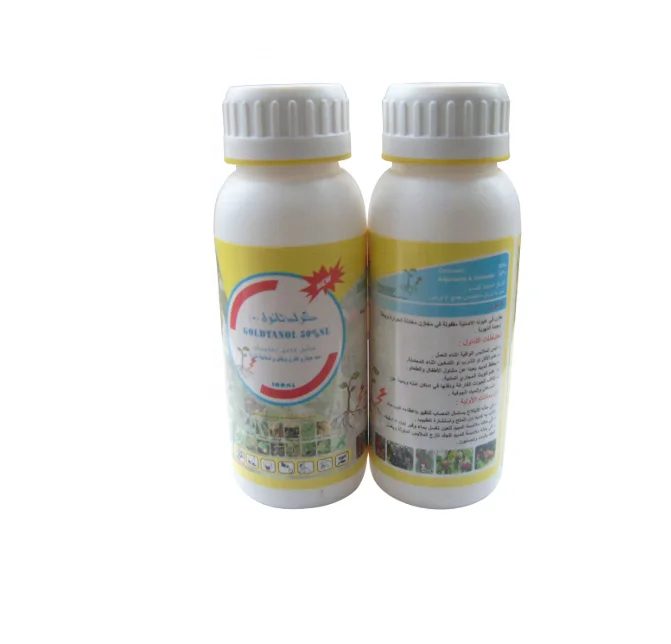
Averstar's catalogue lists cyprodinil 98% technical material, 8-hydroxyquinoline sulfate 50% SL and a fludioxonil 25 g/L FS seed treatment. This guide explains how the actives differ and which documents to request. The approved destination-market label always decides the permitted crops, diseases, dose, timing and restrictions for the product actually supplied.
Quick answer: Use cyprodinil-based products, often mixed with fludioxonil, as foliar sprays against grey mould and scab where registered; fludioxonil also as a seed treatment against seed-borne diseases; and 8-hydroxyquinoline products, often applied through drip irrigation, against grey mould and soil-borne wilts on labelled crops. Rotate FRAC groups to protect each one.
Cyprodinil, an anilinopyrimidine
The University of Hertfordshire Pesticide Properties Database (PPDB) describes cyprodinil as a broad-spectrum, systemic foliar fungicide that inhibits amino acid biosynthesis, used against grey mould, scab, powdery mildew and eyespot. Example uses include grapes, apples, pears, plums, strawberries, almonds, ornamentals and cereals. FRAC places the anilinopyrimidines in Group 9 and has a dedicated working group for their resistance management.
The cyprodinil 98% TC is technical material for formulators who hold a licence or registration, not an end-use product.
Fludioxonil, a phenylpyrrole
The PPDB describes fludioxonil as a non-systemic, broad-spectrum fungicide with long residual activity that acts on osmotic signal transduction (FRAC Group 12). It is used on fruit, vegetables and ornamentals against grey mould and storage rots, and as a seed treatment against seedling blight, common bunt and snow mould in cereals. Cyprodinil and fludioxonil are widely combined in grey mould products because their modes of action complement each other.
The fludioxonil 25 g/L FS is a flowable seed treatment applied to seed, not a foliar spray. Our difenoconazole guide covers a seed treatment mixture that includes fludioxonil.
8-Hydroxyquinoline sulfate
The PPDB describes 8-hydroxyquinoline as a systemic quinoline fungicide with preventive and curative action that works by chelating metals that micro-organisms need for their metabolism. It is used against grey mould, downy mildew, Fusarium and Verticillium on vines, tomatoes and hops, usually as a soluble concentrate that is often applied through drip irrigation. The 8-hydroxyquinoline sulfate 50% SL supplies it as the water-soluble sulfate salt.
8-Hydroxyquinoline is also known as oxine. Its copper complex, oxine-copper, is the partner in the kasugamycin product covered in our rice fungicide guide.
Resistance management
Botrytis populations can lose sensitivity to single-site fungicides within a few seasons of repeated use. Alternate or mix fungicides from different FRAC groups, limit the number of applications of each group per season as the label allows, and combine sprays with canopy management, ventilation in glasshouses and removal of infected material. Multi-site protectants such as captan, covered in our protectant fungicide guide, are common partners.
The PPDB records cyprodinil and fludioxonil as approved in the European Union and 8-hydroxyquinoline as not approved there. Confirm the current status and residue limits in each destination and importing market, especially for fruit exported fresh.
Compare the catalogue formulations
- Cyprodinil 98% TC: technical material traded with its own purity specification.
- 8-Hydroxyquinoline sulfate 50% SL: a soluble concentrate that dissolves fully in water, suited to drip application where the label allows.
- Fludioxonil 25 g/L FS: a flowable concentrate for seed treatment, tested for suspensibility and adhesion to seed.
Penn State Extension's overview of pesticide formulations compares these types, and FAO/WHO pesticide specifications describe the properties buyers test.
A product selection checklist
- The crop and target disease: grey mould, scab, storage rot, seed-borne disease or wilt.
- The application method: foliar spray, drip irrigation or seed treatment.
- The FRAC groups already used against Botrytis in the programme.
- For technical material: the purity specification and the buyer's licence or registration.
- Residue limits in the importing market for treated fruit.
- Concentration and unit matched on quotation, certificate of analysis and label.
- Packaging, safety data sheet and translated label artwork.
Build the inquiry around the intended use
Send the crop, the target disease, the application method, the fungicides already used, the preferred product and concentration, the packaging and the destination market through our contact form. For a first order, a pesticide sample evaluation plan helps compare samples against the agreed specification before scaling up.
Frequently asked questions
Why are cyprodinil and fludioxonil often sold together?
They belong to different FRAC groups (9 and 12) and both act on grey mould, so a mixture controls the disease more reliably and slows resistance to either active. Each mixture is registered as its own product.
Can 8-hydroxyquinoline sulfate be applied through drip irrigation?
Where its label allows. The PPDB notes that 8-hydroxyquinoline products are often applied through drip irrigation; the registered label sets the method, dose and crops.
Can the fludioxonil seed treatment be sprayed on crops?
No. A seed treatment is registered for application to seed. Foliar uses need a product registered for spraying in the destination market.
Authoritative references
- PPDB: Cyprodinil - University of Hertfordshire PPDB
- FRAC Mode of Action Groups - Fungicide Resistance Action Committee
- PPDB: Fludioxonil - University of Hertfordshire PPDB
- PPDB: 8-hydroxyquinoline - University of Hertfordshire PPDB
- Pesticide Formulations - Penn State Extension
- Pesticide Specifications and Quality Control (FAO/WHO JMPS) - FAO