
Averstar Chemical Editorial Team Updated November 7, 2026
Rice Disease Fungicides: Tricyclazole, Isoprothiolane, Validamycin and More
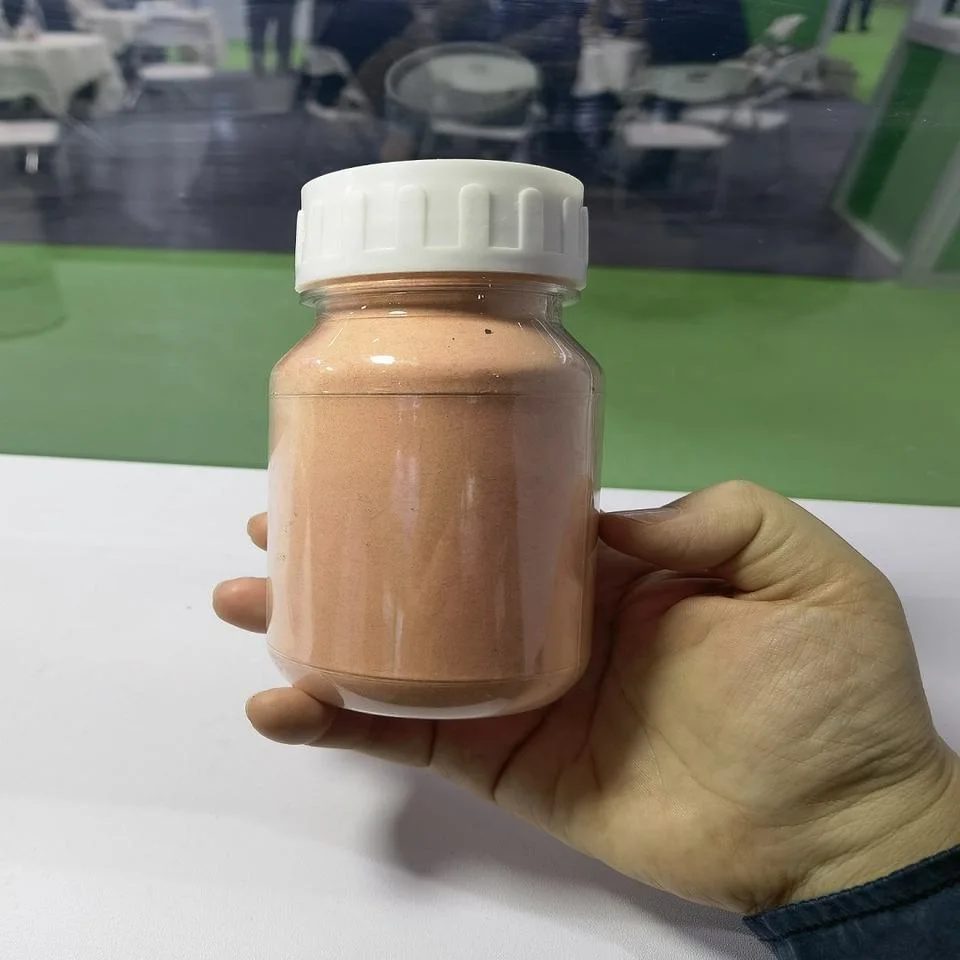
Rice fungicides are bought for a few specific problems: blast on leaves and panicles, sheath blight at the base of the plant, and seedling diseases in nursery beds. Each problem calls for different actives, and several of them only work when applied before the disease is visible. Choosing well starts with the disease, the crop stage and the timing the label allows.
Averstar's catalogue lists tricyclazole 75% WP, isoprothiolane 40% EC, iprobenfos 50% EC, probenazole 8% GR, a kasugamycin and oxine-copper SC, validamycin 10% SL, and hymexazol 70% SP with a hymexazol and metalaxyl-M mixture. This guide maps them to diseases and explains which documents to request. The approved destination-market label always decides the permitted crops, diseases, dose, timing and restrictions for the product actually supplied.
Quick answer: For blast, use tricyclazole or probenazole preventively and isoprothiolane, iprobenfos or kasugamycin as the label allows; for sheath blight, validamycin; for seedling root diseases, hymexazol. Several blast products work only before infection, so timing matters as much as the active.
Products for rice blast
Blast can damage leaves early in the season and, more seriously, the neck and panicle later. Our rice blast integrated management guide covers variety, nutrition and water management; the products below are the chemical part of that programme. University of Hertfordshire Pesticide Properties Database (PPDB) records describe them as follows:
- Tricyclazole: a systemic fungicide used mainly for prolonged control of rice blast. It inhibits melanin biosynthesis, which the blast fungus needs to penetrate the leaf, and FRAC places it in Group 16.1. It is used mainly as a protectant, so it must be on the plant before infection.
- Probenazole: a plant defence activator that induces systemic acquired resistance, widely used against rice blast and brown spot. It does not kill the fungus directly; it prepares the plant's own defences, so it is applied ahead of disease pressure as the label specifies.
- Isoprothiolane and iprobenfos: systemic fungicides with protective and curative action that inhibit phospholipid biosynthesis. Iprobenfos is described for leaf and ear blast, stem rot and sheath blight. Because they share a mode of action, do not use them as rotation partners for each other.
- Kasugamycin: an aminoglycoside antibiotic, described in the Bio-Pesticides Database (BPDB), that inhibits protein synthesis and is used against bacteria and some fungi, including in rice. In the kasugamycin + oxine-copper 3% / 33% SC it is paired with oxine-copper, a copper-based partner with a different mode of action; confirm that this exact mixture is registered for the intended crop in the destination market.
Products for sheath blight
Sheath blight, caused by Rhizoctonia solani, develops at the base of the plant as the canopy closes. The BPDB describes validamycin A as a non-systemic antibiotic used against Rhizoctonia solani, including rice sheath blight, which works by inhibiting the fungal enzyme trehalase. Applications are timed to the early stages of the disease and directed so the spray reaches the lower part of the plant, as the label describes.
Products for seedling and soil-borne diseases
The PPDB describes hymexazol as a systemic fungicide for soil-borne diseases caused by Fusarium, Aphanomyces and Pythium, which inhibits nucleic acid synthesis. In rice it is typically used for nursery and seedling diseases. The hymexazol + metalaxyl-M 25% / 5% SL adds metalaxyl-M, a phenylamide for oomycete pathogens such as Pythium, as explained in our metalaxyl guide.
Compare the catalogue formulations
- Tricyclazole 75% WP and Hymexazol 70% SP: a wettable powder and a soluble powder; both must stay dry and are tested for suspensibility or solubility.
- Isoprothiolane 40% EC and Iprobenfos 50% EC: emulsifiable concentrates in solvent-compatible packaging.
- Probenazole 8% GR: granules applied as the label describes, for example to nursery boxes or paddy water, rather than sprayed.
- Validamycin 10% SL: a soluble concentrate that dissolves fully in water.
Penn State Extension's overview of pesticide formulations compares these types, and FAO/WHO pesticide specifications describe the properties buyers test.
A product selection checklist
- The target disease: leaf or panicle blast, sheath blight or seedling disease.
- The crop stage and whether the product must be applied before infection.
- The rice system: nursery, direct-seeded or transplanted, and how granules or sprays are applied.
- The fungicide groups already used, avoiding repeated use of the same mode of action.
- Registration status in the destination market, including antibiotic products where these are regulated separately.
- Concentration and unit matched on quotation, certificate of analysis and label.
- Packaging, safety data sheet and translated label artwork.
Build the inquiry around the intended use
Send the target disease, the rice system and crop stage, the preferred active and concentration, the packaging and the destination market through our contact form. For a first order, a pesticide sample evaluation plan helps compare samples against the agreed specification before scaling up.
Frequently asked questions
Why must tricyclazole be applied before blast is visible?
Tricyclazole works mainly as a protectant: it stops the blast fungus forming the melanised structures it needs to enter the leaf. Once infection is established it has much less effect, so labels time it ahead of the risk periods.
Can isoprothiolane and iprobenfos be alternated?
Not for resistance management. Both inhibit phospholipid biosynthesis, so alternate them with a product that has a different mode of action, such as tricyclazole, as the label allows.
Is probenazole sprayed like other fungicides?
No. Probenazole activates the plant's own defences and is usually applied as granules, for example to nursery boxes or paddy water, before disease pressure. Follow the application method on the label.
Authoritative references
- PPDB: Tricyclazole - University of Hertfordshire PPDB
- FRAC Mode of Action Groups - Fungicide Resistance Action Committee
- PPDB: Probenazole - University of Hertfordshire PPDB
- PPDB: Isoprothiolane - University of Hertfordshire PPDB
- PPDB: Iprobenfos - University of Hertfordshire PPDB
- BPDB: Kasugamycin - University of Hertfordshire BPDB
- BPDB: Validamycin A - University of Hertfordshire BPDB
- PPDB: Hymexazol - University of Hertfordshire PPDB
- Pesticide Formulations - Penn State Extension
- Pesticide Specifications and Quality Control (FAO/WHO JMPS) - FAO