Product overview
Product information and use
Difenoconazole 2.2% + Fludioxonil 2.2% + Thiamethoxam 22.6% FS: Fungicide and Insecticide Seed Treatment
Introduction
Difenoconazole 2.2% + Fludioxonil 2.2% + Thiamethoxam 22.6% FS is a combined fungicide and insecticide seed-treatment formulation designed to protect seeds and young seedlings during the critical period from planting through early crop establishment.
The formulation contains:
- Difenoconazole — 2.2%
- Fludioxonil — 2.2%
- Thiamethoxam — 22.6%
Total active ingredient concentration:
27%
Formulation:
FS — Flowable Concentrate for Seed Treatment
This exact 2.2% + 2.2% + 22.6% FS composition is registered in international pesticide markets. Myanmar's official Pesticide Registration Board database, for example, lists this exact formulation.
The three active ingredients perform different functions:
Difenoconazole → Systemic fungicidal protection
Fludioxonil → Contact and seed-surface fungicidal protection
Thiamethoxam → Systemic early-season insect protection
This gives the formulation a practical three-part protection strategy:
Seed-Borne Disease Control + Soil-Borne Disease Protection + Early-Season Insect Control
General Applications
Difenoconazole + Fludioxonil + Thiamethoxam 27% FS is generally used as a seed coating or seed-treatment product rather than as a conventional foliar spray.
Depending on local registration, this formulation is suitable for seed-treatment programs involving crops such as:
- Wheat
- Rice
- Peanut
- Potato
- Garlic
- Other registered field crops
Registration data for this exact composition include uses against problems such as:
- Wheat loose smut
- Wireworms
- Rice bakanae disease
- Rice thrips
- Peanut root rot
- White grubs
- Garlic root rot
- Garlic maggot-type pests
- Potato black scurf
- Potato aphids
depending on the specific registered product and market.
A peer-reviewed soybean study also used a commercial seed dressing containing exactly 22.6% Thiamethoxam + 2.2% Fludioxonil + 2.2% Difenoconazole, confirming practical use of this three-active-ingredient combination as a seed treatment.
Its general positioning can therefore be summarized as:
Seed Treatment + Fungicide + Insecticide + Seedling Protection
What Is This 27% FS Seed Treatment?
This product combines two fungicides and one insecticide in a single seed-treatment formulation.
The objective is to protect crops during one of their most vulnerable stages:
Planting → Germination → Emergence → Early Seedling Growth
During this period, seeds and seedlings may be attacked by:
- Seed-borne fungi
- Soil-borne fungi
- Root pathogens
- Seedling diseases
- Soil insects
- Sucking insects
- Early-season feeding pests
Damage at this stage can result in:
- Poor germination
- Seed decay
- Uneven emergence
- Reduced plant population
- Weak seedlings
- Poor early crop establishment
A properly applied seed treatment places the active ingredients directly around the seed before these problems become severe.
Why Combine Two Fungicides and One Insecticide?
The technical advantage of this formulation is the combination of three different biological functions.
Difenoconazole
Provides systemic fungicidal protection.
Fludioxonil
Provides strong protective activity on and around the seed surface.
Thiamethoxam
Provides systemic protection against susceptible early-season insect pests.
The formulation therefore provides:
Fungicide + Fungicide + Insecticide
More specifically:
Internal Fungal Protection + External Seed Protection + Early Insect Protection
What Does Difenoconazole Do?
Difenoconazole is a systemic triazole fungicide.
It belongs to:
FRAC Group 3 — DMI Fungicides
DMI means:
Demethylation Inhibitor
FRAC classifies Group 3 fungicides as sterol biosynthesis inhibitors acting on:
C14-Demethylase / CYP51.
Fungal pathogens require sterols to form and maintain normal cell membranes.
After exposure to Difenoconazole:
- CYP51 activity is inhibited.
- Normal sterol synthesis is disrupted.
- Cell-membrane development is affected.
- Fungal growth slows.
- Infection and disease development are suppressed.
Why Is Difenoconazole Useful in Seed Treatment?
Some pathogens may be present:
- On the seed surface
- Within infected seed tissues
- Around the germinating seed
- In soil near developing roots
The systemic characteristics of Difenoconazole allow it to complement the surface protection provided by Fludioxonil.
Its role can therefore be summarized as:
Systemic Seed and Seedling Fungicidal Protection
This is especially valuable in seed-treatment programs where early fungal infection can affect germination or establishment.
What Does Fludioxonil Do?
Fludioxonil is a phenylpyrrole fungicide.
It belongs to:
FRAC Group 12
FRAC classifies Group 12 fungicides as inhibitors associated with osmotic signal transduction, and specifically provides resistance-management guidance for Fludioxonil in this group.
Fludioxonil is especially valuable as a protective fungicide around treated seeds.
Its primary role is:
Protecting the Seed Surface and Germination Zone from Susceptible Fungal Pathogens
How Does Fludioxonil Protect Seeds?
After seed coating:
- Fludioxonil remains around the treated seed surface.
- Fungal spores encounter the fungicide during germination.
- Normal osmotic signaling is disrupted.
- Fungal germination and growth are inhibited.
- Infection pressure around the seed is reduced.
It is especially valuable against susceptible seed- and soil-associated pathogens.
Why Use Difenoconazole and Fludioxonil Together?
The two fungicides do not rely on the same mode of action.
They belong to:
Difenoconazole → FRAC 3
Fludioxonil → FRAC 12
This provides complementary fungal disease protection.
Difenoconazole contributes more systemic activity, while Fludioxonil contributes strong seed-surface protection.
The practical concept is:
Systemic Protection + Contact Seed Protection
This can improve the robustness of a seed-treatment program compared with relying on only one fungicide mechanism.
What Does Thiamethoxam Do?
Thiamethoxam is a systemic neonicotinoid insecticide.
It belongs to:
IRAC Group 4A — Neonicotinoids
It acts on insect:
Nicotinic Acetylcholine Receptors — nAChRs
and disrupts normal nervous-system function.
The process can be summarized as:
- Thiamethoxam enters a susceptible insect.
- It interacts with nicotinic acetylcholine receptors.
- Normal nerve signaling becomes disrupted.
- Feeding activity declines.
- Coordination is lost.
- Paralysis and mortality may occur.
IRAC resistance-management resources classify Thiamethoxam within Group 4A together with other neonicotinoids.
Why Is Thiamethoxam Useful as a Seed Treatment?
After germination, Thiamethoxam can be absorbed by developing seedlings and move systemically into young plant tissues.
This allows protection to begin early, before foliar insecticide applications would normally be considered.
Depending on registration, this can help protect against susceptible pests such as:
- Thrips
- Aphids
- Wireworms
- White grubs
- Other early-season soil or sucking pests
For example, exact 2.2% + 2.2% + 22.6% registrations include:
Rice → Thrips
Wheat → Wireworms
Peanut → White grubs
Potato → Aphids
depending on the specific registered product.
Wheat Seed Treatment
Wheat is an important use market for this three-active-ingredient formulation.
Registered uses for this exact composition include:
- Loose smut
- Wireworms
The fungicide components help manage susceptible seed-associated fungal disease, while Thiamethoxam contributes protection against early insect damage.
Early protection is important because damage before or shortly after emergence can reduce final plant population.
Rice Seed Treatment
This exact formulation also has registered rice applications.
Examples include:
- Bakanae disease
- Thrips
The two fungicides provide disease protection during germination and early growth, while Thiamethoxam helps protect young seedlings from susceptible sucking insects.
This is a good example of the main advantage of the formulation:
One Seed Treatment → Disease + Insect Protection
Peanut Seed Treatment
Registered applications for the exact 27% FS composition also include peanut.
Important targets include:
- Root rot
- White grubs
Root diseases can affect emergence and early root development, while soil-feeding insects may damage seeds and young roots.
Combining fungicidal and insecticidal protection can therefore support more uniform early crop establishment.
Potato Seed Treatment
Certain registrations for this same composition include treatment of seed potatoes against:
- Black scurf
- Aphids
using seed-tuber coating.
This demonstrates that the formulation concept is not limited only to cereal seed.
However, potato claims should only be used where specifically registered.
Garlic Seed Treatment
A 2025 registration record for this exact formulation also includes garlic applications against:
- Root rot
- Garlic maggot-type pests
using seed coating.
Again, this shows the value of combining fungal disease management with early insect protection.
Why Is Early-Season Protection Important?
Young seedlings have limited root systems and relatively little stored energy.
Damage during early crop development can result in:
- Missing plants
- Uneven stands
- Delayed establishment
- Weak roots
- Reduced competitiveness
- Lower yield potential
Once a plant is lost before emergence, later foliar spraying cannot restore it.
Seed treatment therefore follows a preventive approach:
Protect Before Damage Occurs
Seed-Borne Disease Protection
Seed-borne fungal pathogens may survive:
- On seed coats
- Inside infected seed
- In contaminated planting material
Once germination begins, these pathogens may infect emerging seedlings.
Potential consequences include:
- Seed rot
- Poor germination
- Seedling blight
- Root infection
- Weak plant growth
Difenoconazole and Fludioxonil provide complementary protection during this critical stage.
Soil-Borne Disease Protection
Seeds are also exposed to soil microorganisms immediately after planting.
Some soil-borne fungi can attack:
- Germinating seed
- Roots
- Crown tissue
- Emerging shoots
Seed treatment creates a zone of protection around the seed.
The formulation cannot eliminate every pathogen in the field, but it can reduce early infection pressure from susceptible organisms when used according to the registered label.
Early-Season Insect Protection
Seedling insects may cause severe damage before farmers notice obvious field symptoms.
Important early pests may:
- Feed on seed
- Attack roots
- Damage shoots
- Suck sap from young leaves
Thiamethoxam provides the insecticidal component of the formulation.
Because it is systemic, young plants can absorb the active ingredient as they develop.
What Does FS Mean?
FS means:
Flowable Concentrate for Seed Treatment
This formulation is specifically designed for coating seeds before planting.
It should not be treated as an ordinary foliar SC formulation.
A professional FS product must perform well during:
- Seed-treatment mixing
- Pumping
- Coating
- Drying
- Packaging
- Transportation
- Planting
Why Is Uniform Seed Coverage Important?
Uniform coating is one of the most important factors affecting seed-treatment performance.
If coating is uneven:
- Some seeds may receive too little fungicide.
- Some seeds may receive too little insecticide.
- Other seeds may receive excessive material.
- Field emergence may become inconsistent.
The objective is:
Consistent Active Ingredient Distribution Across the Seed Lot
Professional seed-treatment equipment should therefore be:
- Properly calibrated
- Regularly maintained
- Correctly operated
What Makes a High-Quality FS Formulation?
Professional buyers should evaluate more than the active ingredient percentage.
Suspension Stability
The formulation should remain homogeneous during use.
Flowability
It should pass easily through treatment equipment.
Seed Adhesion
The treatment should remain attached after drying.
Coverage Uniformity
Seed surfaces should receive a consistent coating.
Low Dust-Off
Excessive dust may:
- Reduce retained active ingredient
- Increase operator exposure
- Increase environmental contamination
Storage Stability
The formulation should maintain acceptable physical and chemical properties throughout its shelf life.
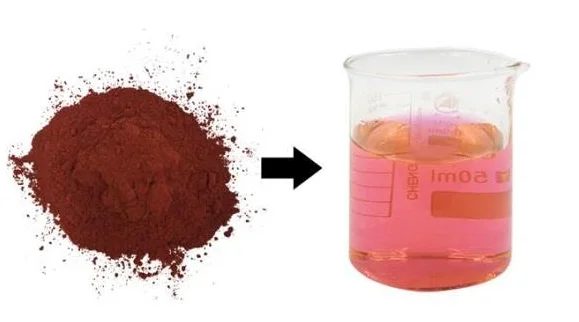
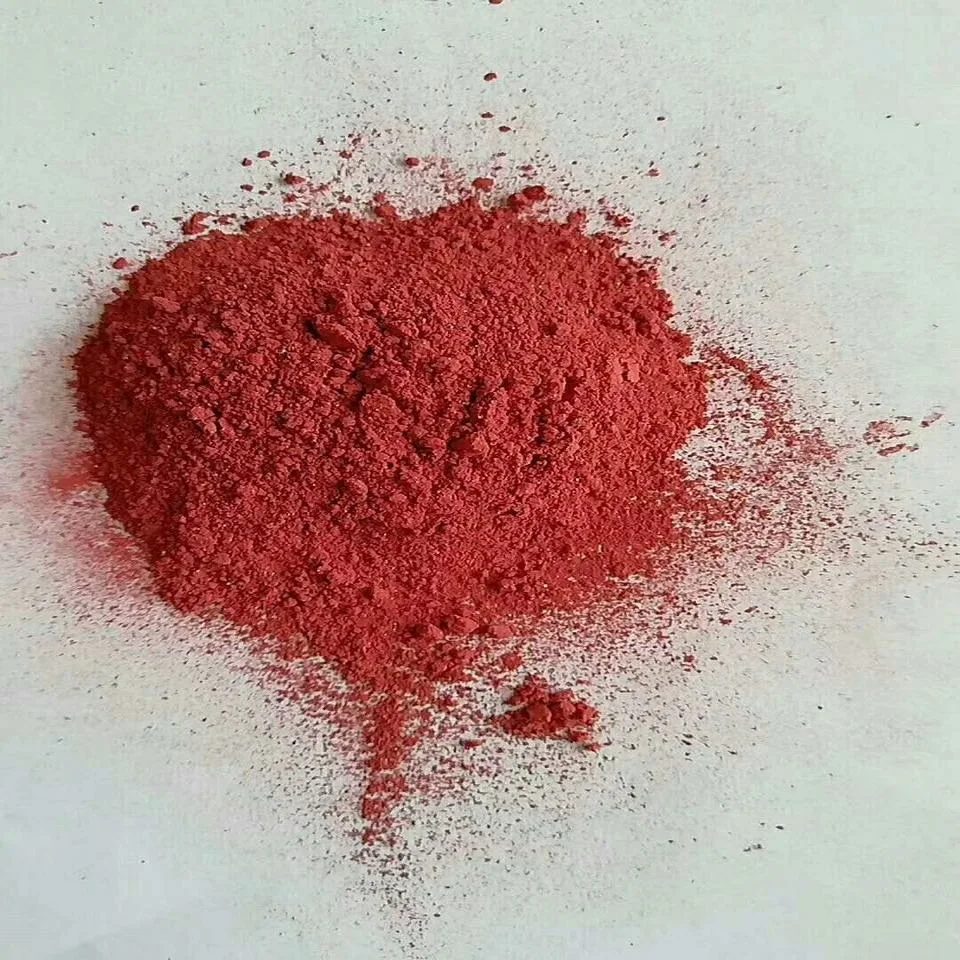
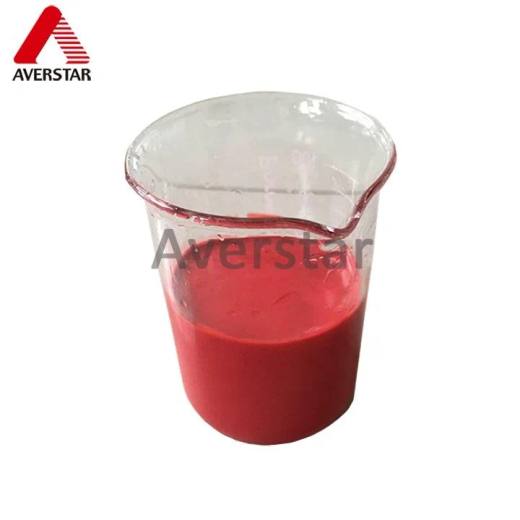
Seed Treatment Color
Commercial seed treatments are often supplied with visible coloration.
Color helps:
- Identify treated seed
- Distinguish it from untreated seed
- Reduce risk of accidental food or feed use
- Improve visual assessment of coating uniformity
OEM customers may request customized seed-treatment colors where regulations permit.
Seed Quality Still Matters
Seed treatment cannot compensate for severely damaged seed.
Poor-quality seeds may already have:
- Low germination
- Mechanical damage
- Poor vigor
- Storage deterioration
A professional program should begin with:
High-Quality Seed + Correct Treatment + Correct Storage
rather than relying on pesticide treatment to repair poor seed quality.
Resistance Management
The formulation contains three different resistance classifications:
Difenoconazole
FRAC Group 3
Fludioxonil
FRAC Group 12
Thiamethoxam
IRAC Group 4A
This provides useful biological diversity.
However, resistance management remains important.
Difenoconazole Resistance Management
FRAC identifies Group 3 as:
DMI / Sterol Biosynthesis Inhibitor Fungicides
and notes that fungicides within the same FRAC group may demonstrate cross-resistance once field resistance develops.
Therefore, changing from Difenoconazole to another Group 3 triazole should not automatically be treated as a complete mode-of-action rotation.
Fludioxonil Resistance Management
Fludioxonil belongs to:
FRAC Group 12
FRAC maintains specific resistance-management recommendations for this group.
Combining it with a fungicide from a different FRAC group can reduce dependence on one fungicidal target, provided both ingredients are effective against the pathogen concerned.
Thiamethoxam Resistance Management
Thiamethoxam belongs to:
IRAC Group 4A
Other Group 4A neonicotinoids include products such as:
- Imidacloprid
- Acetamiprid
- Dinotefuran
IRAC resistance-management principles recommend rotation between genuinely different modes of action rather than repeatedly using insecticides from the same group.
Therefore, if later-season insecticide applications are required, relying continuously on Group 4A chemistry should be avoided.
Integrated Seed and Crop Protection
Seed treatment should be considered the first stage of crop protection, not the entire pest-management program.
Later field management may still require:
- Disease scouting
- Insect monitoring
- Foliar fungicides
- Foliar insecticides
- Biological control
- Resistant varieties
- Crop rotation
- Field sanitation
The purpose of seed treatment is to provide:
Strong Early Protection
while the crop becomes established.
Treated Seed Handling
Treated seed should be clearly separated from seed intended for:
- Human consumption
- Animal feed
- Food processing
Professional handling practices should include:
- Clear labeling
- Protective equipment
- Controlled storage
- Spill management
- Proper disposal
- Prevention of accidental consumption
Always follow destination-market treated-seed regulations.
Environmental Considerations
Because Thiamethoxam is a neonicotinoid insecticide, responsible seed-treatment handling is important.
Particular attention should be given to:
- Dust generated during planting
- Spilled treated seed
- Pollinator exposure
- Surface-water contamination
- Disposal of unused treated seed
Good formulation adhesion and low dust-off are therefore both quality and environmental-management considerations.
OEM and Private Label Manufacturing
Difenoconazole 2.2% + Fludioxonil 2.2% + Thiamethoxam 22.6% FS can be supplied for OEM and private-label markets where registration permits.
Customization options may include:
- Brand name
- Customer logo
- Seed-treatment color
- Bottle design
- Label language
- Package size
- Outer carton
- Market-specific artwork
Typical packaging may include:
- 100mL
- 250mL
- 500mL
- 1L
- 5L
- Customized commercial packages
Why Choose Factory OEM Supply?
Direct factory manufacturing can support several B2B requirements.
Stable Three-Component Formulation
Proper formulation technology maintains uniform distribution of all three active ingredients.
Seed Coating Performance
Good FS technology supports uniform adhesion and coverage.
Customized Color
Seed-treatment coloration can be adjusted according to customer and regulatory requirements.
Private Label Service
Distributors can develop their own agricultural brands.
Customized Packaging
Bottle, label and carton designs can be adapted to different markets.
Technical Documentation
Manufacturers can provide documents for:
- Registration
- Import
- Quality evaluation
- Distributor approval
What Should Buyers Check Before Purchasing?
Professional agricultural distributors and seed-treatment companies should verify:
Active Ingredients
Difenoconazole 2.2%
Fludioxonil 2.2%
Thiamethoxam 22.6%
Total Active Ingredient
27%
Formulation
FS — Flowable Concentrate for Seed Treatment
Technical Documents
Request:
- Certificate of Analysis — COA
- Safety Data Sheet — SDS
- Technical Data Sheet — TDS
- Product specification
Physical Quality
Evaluate:
- Suspension stability
- Viscosity
- Flowability
- Seed adhesion
- Coating uniformity
- Dust-off
- Storage stability
Regulatory Information
Confirm:
- Approved crop
- Target disease
- Target insect
- Seed-treatment rate
- Treated-seed labeling
- Planting restrictions
- Environmental requirements
Frequently Asked Questions
How does Difenoconazole + Fludioxonil + Thiamethoxam 27% FS protect seeds?
Difenoconazole provides systemic fungal protection, Fludioxonil protects the seed surface against susceptible fungal pathogens, and Thiamethoxam provides systemic protection against certain early-season insect pests.
How is this formulation generally used?
It is generally applied as a seed coating before planting. Depending on registration, the exact composition is used in crops including wheat, rice, peanut, potato and garlic.
How are the three ingredients classified?
Difenoconazole belongs to FRAC Group 3, Fludioxonil to FRAC Group 12, and Thiamethoxam to IRAC Group 4A.
How important is uniform seed coating?
Uniform coating is critical because every seed should receive an appropriate amount of fungicide and insecticide for consistent early protection.
How can resistance be managed?
Do not rely continuously on the same FRAC or IRAC groups later in the crop cycle. Rotate with effective products from different modes of action and integrate disease and insect monitoring.
How can this 27% FS product be customized?
OEM manufacturers can provide customized seed-treatment color, private-label branding, bottle sizes, label artwork, cartons and technical documentation according to local regulations.
Conclusion
Difenoconazole 2.2% + Fludioxonil 2.2% + Thiamethoxam 22.6% FS is a three-active-ingredient seed-treatment formulation designed to protect crops during the critical germination and seedling-establishment stage.
Its technical strategy can be summarized as:
Difenoconazole → FRAC 3 Systemic Fungicide
Fludioxonil → FRAC 12 Protective Seed Fungicide
Thiamethoxam → IRAC 4A Systemic Insecticide
Together they provide:
Seed-Borne Disease Protection + Soil-Borne Disease Protection + Early-Season Insect Control
The exact composition has registered seed-treatment uses involving crops such as:
- Wheat
- Rice
- Peanut
- Potato
- Garlic
with registered target examples including loose smut, bakanae disease, root rot, black scurf, wireworms, thrips, white grubs and aphids.
Successful seed treatment depends on:
High-Quality Seed + Correct Treatment Rate + Uniform Coverage + Stable FS Formulation + Correct Storage + Resistance Management
For professional buyers, a reliable product should provide:
Correct 2.2% + 2.2% + 22.6% Composition + Stable Suspension + Uniform Seed Adhesion + Low Dust-Off + Batch Consistency + Regulatory Compliance + OEM Manufacturing Capability
Authoritative References
- Myanmar Department of Agriculture — Pesticide Registration List
Official registration database listing the exact Difenoconazole 2.2% + Fludioxonil 2.2% + Thiamethoxam 22.6% FS formulation. - Fungicide Resistance Action Committee — FRAC Mode of Action Classification
Classifies Difenoconazole under FRAC Group 3 DMI fungicides and provides resistance-management guidance by mode of action. - FRAC — Group 12 Fludioxonil Resistance Management
Official FRAC resources covering Fludioxonil as a Group 12 phenylpyrrole fungicide. - IRAC — Insecticide Resistance Management Resources
Classifies Thiamethoxam among Group 4A neonicotinoids and recommends rotation between genuinely different modes of action. - Peer-Reviewed Soybean Seed Treatment Study
A published study used a commercial seed dressing containing exactly 22.6% Thiamethoxam + 2.2% Fludioxonil + 2.2% Difenoconazole, providing independent documentation of this formulation as a seed-treatment product.
Buyer decision guide
Product positioning and benefits
Fungicide + Insecticide Seed Treatment for Early Crop Protection The formulation combines two fungicides with one systemic insecticide to provide complementary protection during germination and early seedling establishment. Difenoconazole → Systemic Fungicide Fludioxonil → Protective Seed Fungicide Thiamethoxam → Systemic Insecticide Recommended positioning: Seed Disease Protection + Early-Season Insect Control + Seedling Establishment Support
- Three active ingredients in one seed-treatment formulation
- Dual fungicide protection with Difenoconazole and Fludioxonil
- Systemic insect protection from Thiamethoxam
- Professional FS formulation designed for seed coating
- OEM and private-label customization available
Practical product guide
Applications, formulation and supply
A procurement-focused overview of where this product is typically considered, how it is supplied, and which commercial details should be confirmed before ordering.
Applications / crops
Where buyers commonly evaluate this product.
- Wheat
- Rice
- Peanut
- Potato
- Garlic
- Other registered field crops
Target pests / diseases
Target scope for product selection; verify the local label.
Technical data
Specifications
- Active ingredient
- Difenoconazole + Fludioxonil + Thiamethoxam
- Concentration
- 2.2% / 2.2% / 22.6%
- Formulation
- FS
- CAS numbers
- 119446-68-3, 131341-86-1, 153719-23-4
- EINECS number
- 603-476-3
- Registration reference
- PD20202880
- PubChem identity: Difenoconazole
- https://pubchem.ncbi.nlm.nih.gov/compound/86173
- PubChem identity: Fludioxonil
- https://pubchem.ncbi.nlm.nih.gov/compound/86398
- PubChem identity: Thiamethoxam
- https://pubchem.ncbi.nlm.nih.gov/compound/5821911