Product overview
Product information and use
Tebuconazole 2% DS Seed Treatment Fungicide for Wheat and Groundnut Disease Protection
Introduction
Tebuconazole 2% DS is a systemic triazole fungicide formulated as a dry seed-treatment powder. It is designed to protect treated seed from susceptible seed-borne and soil-borne fungal pathogens during germination and early crop establishment.
The product contains:
Active Ingredient: Tebuconazole 2%
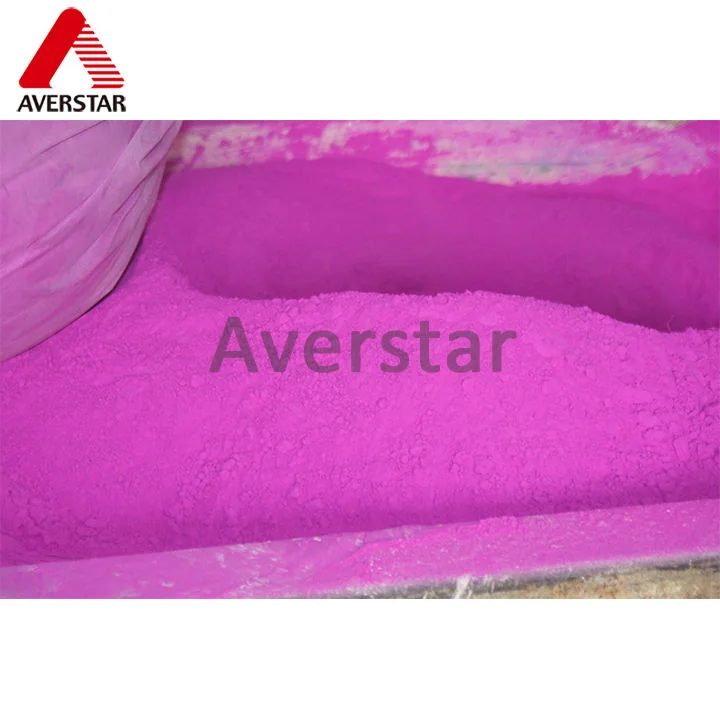
Formulation: DS — Powder for Dry Seed Treatment
Product Type: Systemic Seed Treatment Fungicide
FRAC Group: 3 — DMI Fungicide
FAO defines DS as a powder specifically intended for application directly to seed in the dry state. Unlike FS liquid seed treatments, DS formulations are fine, free-flowing powders designed for dry seed dressing. (FAOHome)
The core product positioning is:
Systemic Seed Treatment + Seed-Borne Disease Protection + Early Seedling Protection
General Applications
Tebuconazole 2% DS is mainly used as a pre-sowing seed treatment rather than a foliar fungicide.
Official agricultural guidance from India documents Tebuconazole 2% DS for seed treatment in wheat and groundnut. Indian wheat IPM guidance includes Tebuconazole 2% DS in programs for seed-borne smut diseases, while ICAR guidance lists the formulation for groundnut seed treatment against soil- and seed-borne disease problems. (PPQS)
Depending on local registration, the formulation may therefore be positioned for applications involving:
Wheat — protection against susceptible seed-borne smut diseases.
Groundnut / Peanut — protection against susceptible seed- and soil-borne fungal diseases affecting germination, roots and early plant establishment.
Crop and disease claims must always follow the approved label in the destination market.
What Does DS Mean?
DS means Powder for Dry Seed Treatment.
According to FAO formulation terminology, a DS product is a powder applied directly to seed in the dry state. FAO specifications also emphasize that a professional DS formulation should be homogeneous, fine and free-flowing, without hard lumps or visible foreign material. (FAOHome)
For professional seed-treatment markets, important formulation characteristics include uniform powder distribution, good seed adhesion, low excessive dust generation, stable active ingredient content and good storage performance.
FAO also notes that treated seed should be properly stored and protected from excessive temperature and moisture. (FAOHome)
Mode of Action
Tebuconazole belongs to FRAC Group 3, known as the DMI — Demethylation Inhibitor fungicides.
It is a triazole fungicide that interferes with fungal sterol biosynthesis by inhibiting C14-demethylase, also known as CYP51. FRAC classifies Tebuconazole with other Group 3 DMI fungicides acting on sterol biosynthesis in fungal cell membranes. (Frac)
Its action can be summarized as follows:
Tebuconazole reaches susceptible fungal pathogens associated with treated seed. It inhibits the CYP51 enzyme required for normal sterol production. Fungal membrane development is disrupted, growth is suppressed and disease development is reduced.
Because Tebuconazole has systemic properties, it can complement surface seed protection by helping suppress susceptible pathogens associated with the seed and developing seedling tissues.
Seed-Borne Disease Protection
Seed-borne fungal diseases can be particularly damaging because infection may begin before plants emerge from the soil.
Affected seed lots can experience poor germination, infected seedlings, uneven crop stands and reduced early vigor.
Official Indian wheat IPM guidance specifically includes Tebuconazole 2% DS for management programs involving flag smut, while seed-treatment labels for Tebuconazole formulations also document activity against smut, bunt and Fusarium-associated seedling diseases in cereals. (PPQS)
This makes Tebuconazole an established active ingredient in cereal seed-treatment programs where these uses are registered.
Groundnut Seed Treatment
Groundnut is another important application area for Tebuconazole 2% DS.
ICAR's agricultural advisory guidance lists Tebuconazole 2 DS as a seed-treatment option for soil- and seed-borne diseases in groundnut and also references disease complexes including stem rot, collar rot and root rot in crop protection recommendations. (Indian Council of Agricultural Research)
Research conducted on groundnut has likewise evaluated Tebuconazole 2% DS and reported effective management of major soil-borne disease problems under the studied conditions. (ScienceDirect)
For commercial product pages, however, specific claims such as collar rot, root rot or stem rot should only be used when supported by the product's local registration.
Why Is Seed Treatment Important?
Crop protection begins before emergence.
Seeds can encounter fungal inoculum carried on the seed surface, within infected seed tissue or in surrounding soil immediately after planting. If infection occurs during germination, later foliar fungicide treatments may not recover plants that have already failed to emerge.
A properly registered seed treatment provides preventive protection during the important period between sowing and early seedling establishment.
Tebuconazole 2% DS is therefore positioned as an early-stage preventive crop-protection product, not as a replacement for an entire season-long disease-management program.
Key Product Advantages
The main commercial advantages of Tebuconazole 2% DS include its systemic triazole activity, specialized dry seed-treatment formulation, compact solid packaging and established use in seed-treatment programs.
For importers and distributors, a DS formulation may also offer convenient storage and transportation compared with higher-volume liquid formulations.
Professional buyers should pay particular attention to active ingredient consistency, powder fineness, flowability, seed adhesion, moisture control, batch stability and packaging quality.
Resistance Management
Tebuconazole is a FRAC Group 3 DMI fungicide, and resistance management is important.
FRAC describes Group 3 DMI fungicides as having a medium resistance risk and notes that cross-resistance can occur between fungicides within the DMI group. (Frac)
Therefore, switching repeatedly between Tebuconazole and another Group 3 triazole should not automatically be considered a complete mode-of-action rotation.
Where additional fungicide treatments are required during the crop cycle, resistance-management programs should use effective fungicides from genuinely different FRAC groups where registered, together with resistant varieties, crop rotation, clean seed and disease monitoring.
Formulation Quality and Buyer Requirements
For B2B purchasing, the declared 2% active ingredient concentration is only one part of product quality.
A reliable Tebuconazole 2% DS product should provide consistent active ingredient content, homogeneous powder, good flowability, uniform seed coverage and acceptable storage stability.
Importers and agricultural brands may request documents such as COA, SDS, TDS and product specifications, together with registration-support documents when required by the destination market.
OEM and Private Label Supply
Tebuconazole 2% DS can be developed for OEM and private-label agricultural markets where registration permits.
Manufacturing services may include customized brand names, multilingual labels, package sizes, foil bags, bottles or other compatible containers, outer cartons and export markings.
This product is suitable for pesticide importers, seed-treatment distributors, agricultural wholesalers and private-label brands looking to expand their fungicide seed-treatment portfolio.
Product FAQs
How does Tebuconazole 2% DS protect treated seed?
Tebuconazole is a systemic FRAC Group 3 fungicide that inhibits fungal sterol biosynthesis, helping suppress susceptible fungal pathogens associated with treated seed and early seedling development.
How is Tebuconazole 2% DS generally used?
It is formulated as a powder for dry seed treatment and is applied to seed before planting according to the locally approved product label. (FAOHome)
How is Tebuconazole 2% DS different from Tebuconazole EC?
The key difference is formulation and application purpose. DS is specifically designed for dry seed treatment, while EC formulations are liquid emulsifiable concentrates intended for uses specified on their own registered labels.
How can Tebuconazole 2% DS be customized for OEM customers?
OEM customers can request private-label branding, multilingual artwork, customized package sizes, cartons and export documentation according to formulation compatibility and destination-market requirements.
Conclusion
Tebuconazole 2% DS is a systemic FRAC Group 3 seed-treatment fungicide developed for preventive protection against susceptible seed-borne and soil-borne fungal diseases.
Its core positioning is:
Tebuconazole 2% + Dry Seed Treatment + Systemic Fungicide + Early Disease Protection + OEM Private Label Supply
Official agricultural sources document Tebuconazole 2% DS in wheat and groundnut seed-treatment programs, while exact crops, target diseases and treatment directions must always follow local registration. (Indian Council of Agricultural Research)
For professional buyers, the key purchasing factors are correct active ingredient content, stable DS formulation, uniform seed coating, batch consistency, regulatory documentation and reliable OEM manufacturing capability.
Buyer decision guide
Product positioning and benefits
Systemic Dry Seed Treatment Fungicide for Early Disease Protection Tebuconazole 2% DS is positioned as a FRAC Group 3 systemic seed-treatment fungicide designed to protect treated seed and young seedlings from susceptible fungal diseases during germination and early crop establishment. Core positioning: Dry Seed Treatment + Systemic Fungicide + Seed-Borne Disease Protection + Early Seedling Protection
- Tebuconazole 2% active ingredient specification
- DS formulation designed specifically for dry seed treatment
- Systemic triazole fungicide activity
- FRAC Group 3 mode of action
- Helps protect treated seed during germination and early establishment
- Compact solid formulation for convenient storage and transportation
Practical product guide
Applications, formulation and supply
A procurement-focused overview of where this product is typically considered, how it is supplied, and which commercial details should be confirmed before ordering.
Applications / crops
Where buyers commonly evaluate this product.
- Wheat
- Groundnut / Peanut
- Other registered cereal and field crops
- Exact crop uses must follow the locally approved label
Target pests / diseases
Target scope for product selection; verify the local label.
- Flag smut
Technical data
Specifications
- Active ingredient
- Tebuconazole
- Concentration
- 2%
- Formulation
- DS
- CAS number
- 107534-96-3
- PubChem identity: Tebuconazole
- https://pubchem.ncbi.nlm.nih.gov/compound/86102