
Averstar Chemical Editorial Team Updated November 7, 2026
Niclosamide and Fentin Acetate: Snail Control Buyer Guide
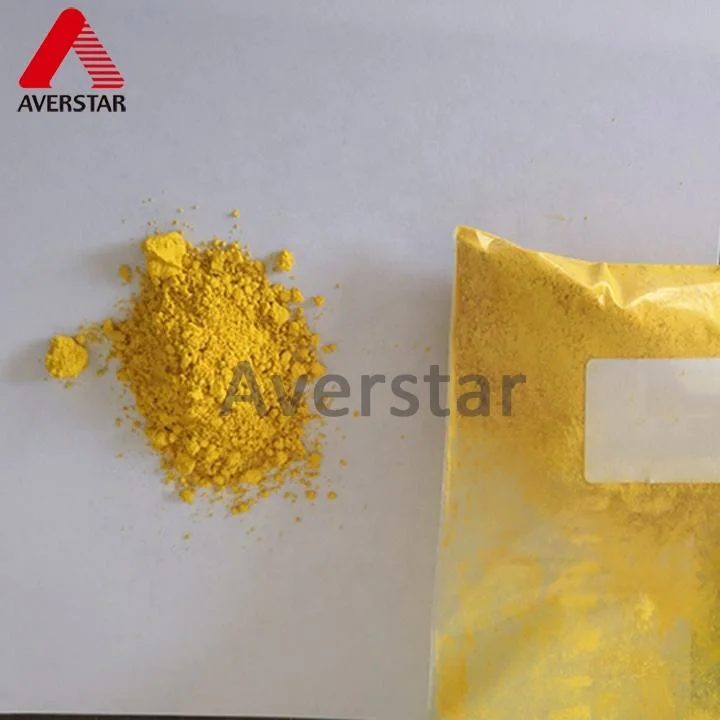
Aquatic snails can destroy newly transplanted or direct-seeded rice in flooded fields within days, and in some regions freshwater snails also carry diseases of people and livestock. Products that control them are called molluscicides. They are used in water, close to fish, livestock and people, so registration, water management and environmental safety matter as much as the active ingredient.
Averstar's catalogue lists niclosamide 70% WP, and its fentin acetate 60% WP is a fungicide whose active also has molluscicidal activity. This guide explains how the two compare and which documents to request. The approved destination-market label always decides the permitted situations, dose, water conditions and restrictions for the product actually supplied.
Quick answer: Use niclosamide where it is registered as a molluscicide for snails in water or flooded crops, and fentin acetate only where its label includes snail control. Both are highly toxic to fish, so treated water must be held and kept away from ponds and streams as the label describes. Confirm the registered use in each market first.
Niclosamide
The University of Hertfordshire Pesticide Properties Database (PPDB) describes niclosamide as a relatively selective substance used to control aquatic pests, including aquatic snails, and as an antiparasitic treatment for tapeworm in people and animals. It acts by uncoupling oxidative phosphorylation, cutting off the energy supply of the target organism. The veterinary and human medicines are separate registered products; the niclosamide 70% WP is a pesticide product for the uses on its own label.
Niclosamide is also used in public-health programmes that control the freshwater snails which spread schistosomiasis. Those programmes operate under their own approvals and specifications.
Fentin acetate
The PPDB describes fentin acetate as an organotin fungicide used against early and late blights of potatoes and other diseases, with additional molluscicide and algicide activity. Example crops include potatoes, sugar beet, beans, rice, coffee and peanuts. The record also notes that it is phytotoxic to wet-seeded rice, so the crop stage and planting method on the label matter. Our protectant fungicide guide covers its fungicide use; the fentin acetate 60% WP should be used against snails only where that use is registered.
Water management in flooded rice
Snail damage is greatest in the first weeks after transplanting or seeding, when seedlings are small and fields are flooded. Molluscicides work in the water, so labels typically specify:
- the water depth at application, because the product is diluted in the field water;
- how long the water must be held in the field before it is released;
- that treated water must not drain into fish ponds, canals or streams;
- the crop stage at which application is safe, especially for direct-seeded rice.
Many growers combine chemical control with field measures such as picking snails and egg masses, screens on water inlets and draining small channels where snails gather. These reduce how often molluscicides are needed.
Fish safety and registration
The PPDB lists acute 96-hour LC50 values for freshwater fish of 0.34 mg/L for niclosamide and 0.32 mg/L for fentin acetate, which indicate high toxicity to fish. Rice–fish systems, aquaculture ponds and drainage into natural waters therefore need particular care, and labels may prohibit use in some situations.
The PPDB records both actives as not approved in the European Union. Other markets register them for specific uses, and fentin compounds are restricted in several countries, so confirm the current status and permitted uses in each destination market before preparing samples or label artwork. Protective equipment and handling instructions on the safety data sheet apply to both powders.
Compare the catalogue formulations
- Niclosamide 70% WP: a wettable powder that disperses in water. Buyers usually check the active content, wettability and suspensibility on the certificate of analysis.
- Fentin acetate 60% WP: a wettable powder registered mainly as a fungicide; confirm whether the label in the destination market includes snail control.
Penn State Extension's overview of pesticide formulations compares these formulation types, and FAO/WHO pesticide specifications describe the properties buyers test.
A product selection checklist
- The registered use: snails in flooded rice, other aquatic situations or a public-health programme.
- The rice planting method and crop stage at the planned application.
- Water depth, holding period and drainage restrictions on the label.
- Fish ponds, aquaculture and natural waters near the treated fields.
- Current registration status in the destination market.
- Active content, wettability and suspensibility on the certificate of analysis.
- Moisture-proof packaging, safety data sheet and translated label artwork.
Build the inquiry around the intended use
Send the registered use, the crop and planting method, the preferred product and concentration, the packaging and the destination market through our contact form. For a first order, a pesticide sample evaluation plan helps compare samples against the agreed specification before scaling up.
Frequently asked questions
Is the niclosamide used for snails the same as the medicine for tapeworm?
The active ingredient is the same, but the products are not. Medicines for people and animals and pesticide products for snails are registered separately, with different specifications and labels.
Why must treated paddy water be held before draining?
Niclosamide and fentin acetate are highly toxic to fish. Holding the water for the period on the label allows the product to break down before the water leaves the field.
Can fentin acetate replace niclosamide for snail control?
Only where its label includes snail control. Fentin acetate is mainly a fungicide, and it is phytotoxic to wet-seeded rice, so it is not a general substitute.
Authoritative references
- PPDB: Niclosamide - University of Hertfordshire PPDB
- PPDB: Fentin acetate - University of Hertfordshire PPDB
- Pesticide Formulations - Penn State Extension
- Pesticide Specifications and Quality Control (FAO/WHO JMPS) - FAO