
Averstar Chemical Editorial Team Updated August 20, 2026
Tomato Leafminer (Tuta absoluta): Global Threat to Tomato Production & Crop Protection Solutions
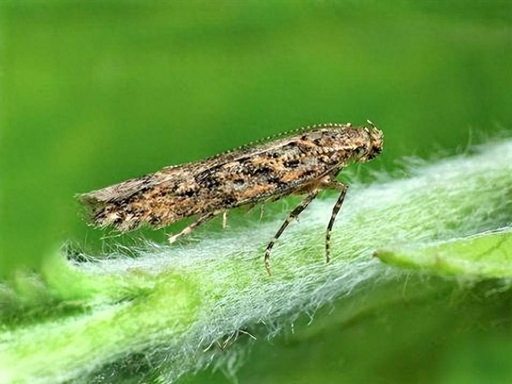
Tomato Leafminer (Tuta absoluta): A Global Threat to Tomato Production and Sustainable Crop Protection Solutions
Introduction: Why Tomato Leafminer Has Become a Global Concern
Tomato leafminer, scientifically known as Tuta absoluta (Meyrick), is one of the most destructive insect pests affecting tomato production worldwide. Originally native to South America, this pest has expanded rapidly into Europe, Africa, the Middle East, and Asia, becoming a major challenge for commercial tomato growers. (AHDB)
With the continuous growth of global vegetable production and international agricultural trade, pest migration and crop protection challenges have become increasingly important topics in the agrochemical industry. Industry platforms such as AgriBusiness Global have emphasized that global agricultural supply chains, networking, innovation, and crop protection technologies are becoming critical factors for addressing future food production challenges. (ScienceDirect)
The increasing spread of invasive pests like Tuta absoluta demonstrates why modern agriculture requires stronger cooperation between crop protection companies, distributors, researchers, and farmers.
What Is Tomato Leafminer (Tuta absoluta)?
Tomato leafminer is a small moth belonging to the family Gelechiidae. The adult insect is relatively small, but its larval stage causes severe economic damage.
The main host plant is:
- Tomato (Solanum lycopersicum)
It can also attack other Solanaceae crops, including:
- Eggplant
- Potato
- Pepper
- Other related plants
The larvae are the damaging stage. They penetrate plant tissues and create tunnels inside:
- Leaves
- Stems
- Fruits
Unlike surface-feeding insects, the larvae live inside plant tissues, making control more difficult. (ScienceDirect)
Why Is Tomato Leafminer So Dangerous?
1. Extremely Strong Reproductive Ability
One of the main reasons Tuta absoluta spreads rapidly is its high reproductive capacity.
The pest has four main development stages:
- Egg
- Larva
- Pupa
- Adult moth
Under favorable conditions, multiple generations can occur within one growing season.
Warm climates with suitable temperatures allow the pest population to increase rapidly, creating severe outbreaks in tomato fields and greenhouses. (Nep Jol)
2. Hidden Feeding Behavior Makes Control Difficult
The biggest challenge with tomato leafminer is that larvae hide inside plant tissues.
After hatching:
- Young larvae enter leaves
- They feed between leaf layers
- They create visible mines
- Later they attack fruits
Because larvae are protected inside the plant:
- Contact insecticides may have reduced effectiveness
- Early detection becomes extremely important
- Integrated pest management is required
Research has highlighted that controlling Tuta absoluta is difficult because larvae are protected within leaf mesophyll and fruits. (Current Trends in Natural Sciences)
3. Serious Economic Damage to Tomato Production
Tomato is one of the world's most important vegetable crops, supporting fresh consumption, processing industries, and agricultural employment.
When tomato leafminer populations are uncontrolled, damage can include:
Leaf Damage
Larvae create irregular mines inside leaves, causing:
- Reduced photosynthesis
- Leaf drying
- Plant weakening
Fruit Damage
Larvae enter tomato fruits, causing:
- Holes
- Internal damage
- Secondary fungal infections
- Reduced market value
Severe infestations can cause significant yield losses if effective management strategies are not applied. (ScienceDirect)
Why Has Tomato Leafminer Become More Serious in Recent Years?
1. Global Agricultural Trade Expansion
Modern agriculture depends on international movement of:
- Seeds
- Plants
- Fresh produce
- Agricultural materials
While global trade improves food supply, it also creates opportunities for invasive pests to spread into new regions.
This is why global crop protection organizations and agricultural industry platforms increasingly focus on cooperation, information sharing, and sustainable pest management. (ScienceDirect)
2. Climate Conditions Favor Pest Survival
Tomato leafminer performs well in:
- Warm temperatures
- Long growing seasons
- Protected cultivation systems
Regions with suitable climates can experience faster population growth.
This explains why outbreaks have become common in:
- Mediterranean regions
- North Africa
- Sub-Saharan Africa
- Middle East
- Tropical agricultural areas
(AHDB)
3. Insecticide Resistance Development
Repeated use of the same insecticide groups can accelerate resistance development.
Problems include:
- Reduced control efficiency
- Increased application frequency
- Higher production costs
Therefore, modern crop protection increasingly emphasizes:
- Rotation of insecticide modes of action
- Integrated Pest Management (IPM)
- Biological control methods
Research reviews indicate that chemical control alone may become insufficient due to resistance risks and the pest's biological characteristics. (Nep Jol)
Integrated Management Strategies for Tomato Leafminer
1. Field Monitoring and Early Detection
The first step is monitoring.
Recommended practices:
- Regular plant inspection
- Pheromone traps
- Checking leaves and fruits for mines
- Population monitoring
Early detection allows growers to act before severe infestation occurs.
2. Biological Control
Biological control is becoming increasingly important.
Methods include:
- Parasitoid insects
- Predatory insects
- Beneficial microorganisms
Research has shown that combining different biological control agents can improve suppression of tomato leafminer populations. (ScienceDirect)
3. Chemical Control and Resistance Management
Insecticides remain an important tool when used correctly.
Effective management requires:
- Selecting registered insecticides
- Rotating different modes of action
- Applying at the correct pest stage
- Avoiding unnecessary repeated spraying
Common active ingredients used in tomato leafminer management programs include:
- Chlorantraniliprole
- Emamectin benzoate
- Spinosad
- Indoxacarb
The goal is not only immediate control but also long-term resistance prevention.
4. Integrated Pest Management (IPM)
Modern agriculture is moving from single-product solutions toward integrated systems.
A complete IPM program combines:
- Monitoring
- Biological control
- Cultural practices
- Selective insecticides
- Resistance management
This approach improves sustainability while maintaining crop productivity.
Connection with Global Crop Protection Industry Development
According to industry discussions highlighted by AgriBusiness Global, the future of agriculture depends increasingly on cooperation across the crop protection supply chain, including manufacturers, distributors, researchers, and farmers. Innovation, market communication, and access to effective crop protection solutions are becoming essential for global food security. (ScienceDirect)
The tomato leafminer challenge reflects a broader trend:
- More invasive pests
- Greater demand for efficient crop protection
- Increasing need for sustainable agricultural solutions
- Stronger global cooperation
Future Outlook: Sustainable Solutions for Tomato Production
The future management of Tuta absoluta will depend on combining:
- New insecticide technologies
- Biological control
- Digital agriculture monitoring
- Resistant crop varieties
- Better farmer education
For agrochemical companies and agricultural suppliers, developing reliable crop protection solutions while supporting sustainable farming practices will become increasingly important.
Conclusion
Tomato leafminer (Tuta absoluta) has become one of the most serious threats to global tomato production because of its rapid reproduction, hidden larval feeding behavior, wide geographic expansion, and ability to develop resistance.
Effective management requires a combination of scientific research, responsible pesticide use, biological control, and international cooperation.
As global agriculture continues to evolve, crop protection technologies and industry collaboration will play a key role in protecting tomato production and ensuring future food security. (ScienceDirect)
Frequently asked questions
What is Tomato Leafminer (Tuta absoluta) and why is it a serious threat to tomato production?
Tomato Leafminer (Tuta absoluta) is a highly destructive insect pest that mainly attacks tomato crops. The larvae feed inside leaves, stems, and fruits, creating mines that reduce photosynthesis, weaken plant growth, and damage marketable fruits. Due to its rapid reproduction, strong adaptability, and ability to spread across regions, Tuta absoluta has become a major global challenge for tomato growers.
How does Tuta absoluta damage tomato crops?
Tuta absoluta damages tomato plants mainly during the larval stage. The larvae penetrate plant tissues and create tunnels inside leaves and fruits. Severe infestations can cause: Reduced plant growth Lower photosynthetic capacity Leaf drying and premature aging Fruit damage and quality loss Significant yield reduction Early detection and integrated pest management are essential to minimize crop losses.
What are the most effective methods to control Tomato Leafminer?
Effective control of Tuta absoluta requires an integrated approach, including: Regular field monitoring and pheromone traps Removal of infected plant materials Biological control methods Proper crop management practices Rotation of insecticides with different modes of action Selective insecticides such as Emamectin Benzoate, Chlorantraniliprole, Spinosad, and Indoxacarb are commonly used in professional tomato pest management programs according to local registration requirements.
Why is sustainable crop protection important for managing Tuta absoluta?
Sustainable crop protection helps farmers control Tuta absoluta while reducing resistance risks and environmental impact. Modern agriculture increasingly focuses on combining chemical control, biological solutions, and integrated pest management (IPM). This approach improves long-term pest management efficiency and supports stable global tomato production.
Authoritative references
- Herbicide Resistance Action Committee (HRAC) Global Herbicide Classification - Herbicide Resistance Action Committee (HRAC)
- Tomato Leafminer — Tuta absoluta - Insecticide Resistance Action Committee (IRAC)