
Averstar Industrial Co., Ltd Editorial Team Updated August 21, 2026
Fall Armyworm in Africa: How to Identify, Prevent and Control Spodoptera frugiperda
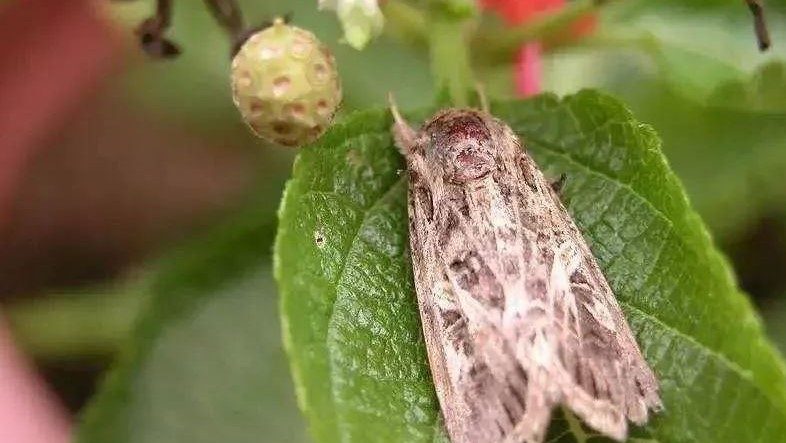
Fall Armyworm in Africa: Identification, Crop Damage and Effective Control Strategies
Fall armyworm (Spodoptera frugiperda) has become one of the most important insect pests affecting maize and other crops across Africa. Since it was first detected in West Africa in 2016, the pest has spread rapidly across much of the continent, creating a long-term crop protection challenge for farmers, distributors and agricultural professionals.
According to the European and Mediterranean Plant Protection Organization (EPPO), fall armyworm is native to tropical and subtropical regions of the Americas. After its first reports in West Africa in 2016, it spread throughout sub-Saharan Africa within approximately two years and was subsequently reported in Egypt in 2019. Current EPPO distribution records show the pest is established in numerous African countries.
Understanding how to identify fall armyworm, recognize crop damage early and implement an integrated management strategy is essential for reducing its impact.
What Is Fall Armyworm?
Fall armyworm, scientifically known as Spodoptera frugiperda, is a moth species belonging to the family Noctuidae.
The adult moth itself is not responsible for most crop damage. The destructive stage is the larva, or caterpillar, which feeds aggressively on plant tissue.
One reason fall armyworm is particularly difficult to manage is its broad host range. EPPO reports that S. frugiperda has been recorded on hundreds of plant species, with particularly important damage occurring on grasses. Maize and sorghum are among its principal hosts, while crops such as rice, cotton and soybean can also be affected.
In Africa and other recently invaded regions, maize is particularly important as a host crop.
Why Is Fall Armyworm a Serious Problem in Africa?
Fall armyworm combines several characteristics that make it a challenging agricultural pest.
It can reproduce rapidly under favorable conditions, survive on many host plants and spread over considerable distances. FAO has reported that adult moths can travel up to approximately 100 km in a night, contributing to its ability to move between agricultural areas.
The economic consequences can be significant.
A CABI evidence assessment estimated that, without control measures, fall armyworm had the potential to cause 8.3–20.6 million tonnes of annual maize yield losses across 12 major African maize-producing countries, equivalent to an estimated 21–53% of average maize production considered in that assessment.
These estimates illustrate why fall armyworm management remains an important issue for African maize production and food security.
How Can You Identify Fall Armyworm Damage in Maize?
Early detection is one of the most important steps in effective fall armyworm management.
Young larvae often begin feeding on leaf tissue, while larger larvae can cause increasingly visible damage as they develop.
Farmers and crop protection professionals should regularly inspect maize plants for signs such as:
- Irregular holes and feeding damage on leaves
- Ragged or heavily damaged young leaves
- Larvae or feeding material inside the maize whorl
- Damage concentrated around developing plant tissue
- Increasing numbers of damaged plants across the field
Because several caterpillar species can produce similar symptoms, pest identification should not rely on crop damage alone. Where accurate identification is important, local agricultural extension services or trained crop protection professionals should be consulted.
Which Crops Can Fall Armyworm Attack?
Although maize receives the greatest attention, fall armyworm is highly polyphagous.
EPPO records an exceptionally broad host range and identifies important hosts including:
Maize | Sorghum | Rice | Cotton | Soybean and other suitable host plants
CABI also notes its importance on maize, sorghum, sugarcane and other agricultural crops.
This broad host range means monitoring should not stop when one crop is harvested. Surrounding host plants and cropping patterns can influence local pest populations.
How Should Fall Armyworm Be Controlled?
There is no single solution suitable for every field or every African market.
The Food and Agriculture Organization of the United Nations (FAO) recommends an Integrated Pest Management (IPM) approach to fall armyworm rather than relying on one control method alone.
An effective management program can combine several approaches.
1. Monitor Fields Regularly
Frequent field scouting allows infestations to be identified before severe crop damage develops.
Farmers should pay particular attention to young maize plants and inspect the whorl and newly developing leaves for larvae and fresh feeding damage.
2. Identify the Pest Before Treatment
Correct identification helps avoid unnecessary treatments and allows farmers to choose an appropriate management strategy.
Treatment decisions should consider pest pressure, crop stage, local recommendations and economic conditions rather than simply responding to the presence of minor leaf damage.
3. Protect Natural Enemies
Natural enemies can contribute to fall armyworm suppression.
Excessive or indiscriminate insecticide use can negatively affect beneficial organisms. A peer-reviewed review indexed by FAO AGRIS specifically highlights concerns about indiscriminate chemical insecticide use and its potential effects on human health and natural enemies.
For this reason, chemical intervention should form part of a broader management strategy rather than being treated as the only solution.
4. Use Biological and Cultural Management Where Appropriate
Depending on local conditions, IPM programs may incorporate cultural practices, biological control, biopesticides and other management techniques.
CABI research on fall armyworm management includes monitoring, biological control, biopesticides, agroecological approaches, chemical control and insecticide-resistance management.
The appropriate combination depends on the crop, country, production system and locally registered control options.
5. Use Registered Insecticides Responsibly When Required
When pest pressure reaches a level where chemical intervention is justified, growers should use products registered for the crop and pest in their country.
Application timing is important because smaller larvae are generally easier to reach than larger larvae that have moved deeper into protected plant structures.
Always follow the registered product label for application rate, spray interval, personal protective equipment, pre-harvest interval and other safety requirements.
How Can Insecticide Resistance Be Managed?
Resistance management is particularly important for a pest such as fall armyworm.
Repeatedly applying insecticides with the same mode of action can increase selection pressure on pest populations.
A better crop protection program should consider:
Monitoring → Correct Identification → Treatment Decision → Appropriate Control → Resistance Management → Continued Monitoring
Where insecticides are required, rotation between appropriate registered products with different modes of action should follow local agricultural guidance and recognized resistance-management principles.
Farmers should avoid assuming that simply increasing the application rate will solve poor control. Incorrect timing, insufficient spray coverage, large larvae, unsuitable products and resistance can all contribute to disappointing field performance.
Why Is Early Fall Armyworm Management Important?
Once large larvae become established deep inside the maize whorl, management can become more difficult.
Early scouting gives farmers more options. It allows them to assess pest pressure, protect beneficial organisms and decide whether cultural, biological or chemical intervention is appropriate before severe damage develops.
This is particularly important in African maize production systems where delayed intervention can increase both crop losses and control costs.
How Can Farmers Build a Better Fall Armyworm Management Program?
A sustainable program should begin with prevention and monitoring rather than automatically beginning with pesticide application.
The practical approach is:
Scout early. Identify correctly. Evaluate pest pressure. Select an appropriate intervention. Apply correctly. Monitor the result. Rotate modes of action when chemical control is necessary.
FAO's guidance for African farmers emphasizes integrated management, while CABI research similarly supports combining monitoring, biological approaches, cultural practices and responsible chemical control.
There is therefore no universal treatment program that should be copied across every country.
Crop variety, climate, planting season, pest pressure, registered products and national pesticide regulations all need to be considered.
Frequently Asked Questions About Fall Armyworm
How can I recognize fall armyworm in a maize field?
Look for fresh feeding damage on young maize leaves, ragged leaves and larvae feeding around or inside the whorl. Because other caterpillars can cause similar symptoms, confirm pest identification before making treatment decisions.
How quickly can fall armyworm damage maize?
Damage can develop rapidly when environmental conditions favor pest development and populations are high. Regular scouting is therefore more effective than waiting until widespread crop damage becomes visible.
How can I improve fall armyworm control?
Start management early, identify the pest correctly, monitor larval development and use an integrated approach. When an insecticide is required, choose a locally registered product and follow label directions carefully.
How can I choose an insecticide for fall armyworm?
Selection should be based on the product's local registration, crop, pest stage, mode of action and resistance-management strategy. Agricultural professionals and distributors should also consider local regulatory requirements before recommending or supplying a product.
Conclusion
Fall armyworm (Spodoptera frugiperda) is no longer a temporary invasion problem in Africa. It has become an established crop protection challenge across many parts of the continent.
Its broad host range, mobility and ability to reproduce under favorable conditions make complete eradication unrealistic in many established areas. The more practical objective is effective, sustainable management.
Early detection, regular field monitoring, correct identification, protection of beneficial organisms, biological and cultural approaches, and responsible use of registered insecticides can all contribute to reducing crop losses.
For farmers, agricultural distributors and crop protection professionals, the key question should therefore not simply be “Which pesticide kills fall armyworm?”
A better question is:
“How can we build an effective fall armyworm management program for this crop, pest stage and local production system?”
That approach leads to more sustainable crop protection and better long-term management of Spodoptera frugiperda.
How to Manage Fall Armyworm in Maize
Follow these practical steps to identify fall armyworm early, assess crop damage and choose an appropriate integrated pest management strategy for maize.
- 1. Scout the Maize Field Regularly
Inspect young leaves, whorls and developing plants for fresh feeding damage, egg masses and larvae.
- 2. Confirm Fall Armyworm Identification
Check pest characteristics and feeding symptoms before taking control measures, as other caterpillars may cause similar crop damage.
- 3. Assess Pest Pressure and Crop Damage
Evaluate the number of affected plants, larval stages and crop condition before deciding whether intervention is necessary.
- 4. Choose an Integrated Control Strategy
Consider cultural, mechanical and biological approaches, conserve natural enemies, and use locally registered crop protection products only when appropriate.
- 5. Monitor Results and Manage Resistance
Continue scouting after treatment. Where insecticides are necessary, follow the registered label and local resistance-management recommendations.
Frequently asked questions
How can I identify fall armyworm in maize?
Fall armyworm larvae commonly cause holes, ragged leaves and feeding damage around the maize whorl. Early field scouting and correct identification are important before choosing a control method.
How does fall armyworm damage maize crops?
The larvae feed on young leaves and developing plant tissues. Heavy infestations can reduce plant growth and potentially affect yield, particularly when vulnerable crop stages are attacked.
How can farmers control fall armyworm effectively?
Effective management should combine regular monitoring, early detection, cultural and biological methods, protection of natural enemies, and locally registered insecticides when necessary.
How should insecticides be used for fall armyworm control?
Apply only products registered for fall armyworm and the target crop in your country. Follow label rates, application timing, safety requirements and resistance-management recommendations.
How can farmers prevent insecticide resistance in fall armyworm?
Avoid repeated use of insecticides with the same mode of action. Rotate appropriate mode-of-action groups, monitor treatment performance and integrate chemical control with other IPM practices.
Authoritative references
- Integrated Management of the Fall Armyworm on Maize: A Guide for Farmer Field Schools in Africa - Food and Agriculture Organization of the United Nations (FAO) 官方网址
- EPPO Datasheet: Spodoptera frugiperda - European and Mediterranean Plant Protection Organization (EPPO)
- Control of Fall Armyworm in Eastern Africa - CABI