
Averstar Chemical Editorial Team Updated November 7, 2026
Acetochlor, Butachlor, Pretilachlor and Pyroxasulfone: Pre-Emergence Herbicide Guide
Acetochlor, butachlor, pretilachlor, pyroxasulfone and flufenacet are soil-applied herbicides that stop annual grasses and some broadleaved weeds as they germinate. They share one mode of action but are registered for very different crops, from corn and soybeans to transplanted and direct-seeded rice. For buyers, the crop and the planting system come first, then the weed spectrum, the partner in any mixture and the soil conditions on the label.
Averstar's catalogue lists acetochlor and prometryn EC mixtures at 38% / 13% and 40%, butachlor 5% GR, pretilachlor 50% EC, pyroxasulfone 85% WG and a diflufenican and flufenacet 41% SC. This guide explains how the actives differ and which documents to request. The approved destination-market label always decides the permitted crops, weeds, dose, timing and restrictions for the product actually supplied.
Quick answer: Choose acetochlor or pyroxasulfone for upland crops such as corn and soybeans, butachlor or pretilachlor for rice, and flufenacet mixtures for cereals and other crops on the label. All five are HRAC Group 15 and work only on weeds that have not yet emerged, so they need correct timing, soil moisture and a partner from another group for broadleaved weeds.
How VLCFA herbicides work
These actives inhibit the synthesis of very long chain fatty acids (VLCFA), which germinating seedlings need for cell division. The University of Hertfordshire Pesticide Properties Database (PPDB) describes acetochlor, for example, as absorbed mainly by the shoots and roots of germinating weeds. The HRAC classification lookup places acetochlor, butachlor, pretilachlor, pyroxasulfone and flufenacet in Group 15, formerly coded K3.
Because they act on germinating seedlings, they do not control weeds that have already emerged. Labels usually require rainfall or irrigation to move the herbicide into the zone where weeds germinate, and soil texture and organic matter affect both weed control and crop safety.
Acetochlor, pyroxasulfone and flufenacet
- Acetochlor: a chloroacetanilide used mainly pre-emergence or pre-planting against annual grasses such as crabgrass and goosegrass and some broadleaved weeds. The PPDB lists corn, sugar beet, sugarcane, potatoes, vegetables, fruit and coffee as example uses. It is usually supplied as an emulsifiable concentrate or capsule suspension.
- Pyroxasulfone: a selective pre-emergence herbicide against grasses such as foxtails and annual ryegrass and broadleaved weeds such as lambsquarters, velvetleaf, ragweed and pigweed, with example uses in corn, wheat, soybeans, triticale and some legumes.
- Flufenacet: a broad-spectrum soil herbicide against certain annual grasses, including black-grass, and some broadleaved weeds, often used together with other herbicides in cereals, corn, soybeans, potatoes and other crops.
Our pendimethalin guide covers a Group 3 pre-emergence herbicide that is often compared with these products.
Butachlor and pretilachlor for rice
- Butachlor: a pre-emergence herbicide for annual grasses such as barnyardgrass and some broadleaved weeds, particularly in rice, absorbed mainly through germinating shoots. It is usually supplied as an emulsifiable concentrate or granules.
- Pretilachlor: a selective herbicide for the most common paddy weeds, including Echinochloa grasses, the sedge Cyperus difformis and Monochoria vaginalis, applied to the soil before weeds emerge. Some pretilachlor products include a crop safener for direct-seeded rice, so confirm the full composition declared on the label.
Water management in the paddy, the planting method and the timing after transplanting or seeding all affect results, so follow the label closely. Our bispyribac-sodium and propanil guides cover post-emergence rice herbicides from other groups.
Prometryn and diflufenican in the mixtures
- Prometryn: a triazine with contact and residual activity that inhibits photosystem II (HRAC Group 5), used against annual grasses and broadleaved weeds in crops such as cotton, peanuts, sunflowers and potatoes. In the acetochlor mixtures it strengthens control of broadleaved weeds.
- Diflufenican: a contact and residual herbicide that causes bleaching by inhibiting carotenoid biosynthesis (HRAC Group 12), used against broadleaved weeds such as wild radish, charlock and chickweed and some grasses in cereals, peas, lentils and lupins. With flufenacet it combines two modes of action.
Mixtures of different groups broaden the weed spectrum and slow resistance, but each mixture is registered as its own product with its own crops and dose.
Compare the catalogue formulations
- Emulsifiable concentrates: Acetochlor + Prometryn 38% / 13% EC, Acetochlor Prometryn 40% EC and Pretilachlor 50% EC. Confirm how each active's share is stated on the label, because mixtures can be expressed as a total or per active.
- Butachlor 5% GR: granules broadcast into paddy water or onto soil as the label describes, rather than sprayed.
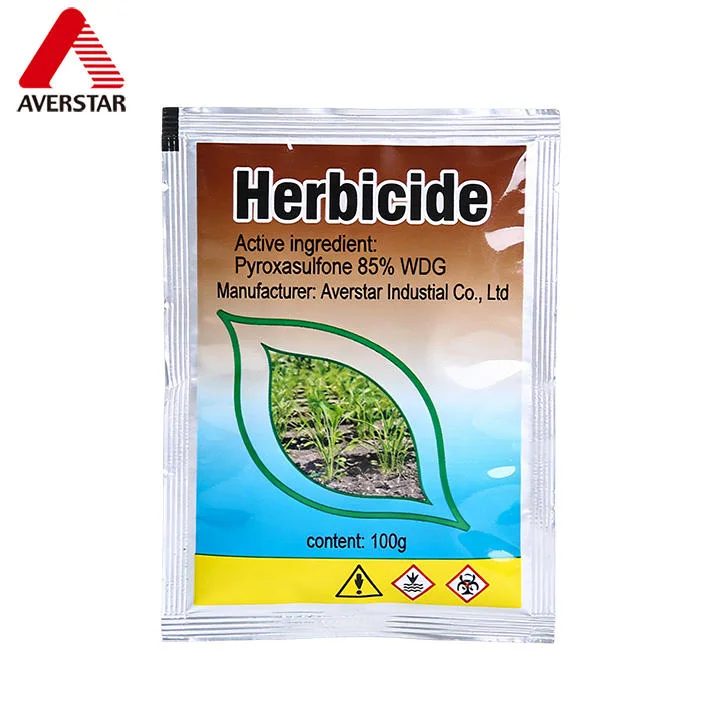
- Pyroxasulfone 85% WG: water-dispersible granules at a high concentration, so dose accuracy matters.
- Diflufenican + Flufenacet 41% SC: a suspension concentrate that needs agitation before use.
Penn State Extension's overview of pesticide formulations compares these types, and FAO/WHO pesticide specifications describe the properties buyers test.
A product selection checklist
- The crop and planting system, including transplanted or direct-seeded rice.
- The target weeds and whether a broadleaved partner is needed.
- Timing relative to sowing, transplanting and weed emergence on the label.
- Soil texture, organic matter and moisture or irrigation requirements.
- The herbicide groups already used, so the programme rotates modes of action.
- Concentration and unit matched on quotation, certificate of analysis and label.
- Packaging, safety data sheet and translated label artwork.
Build the inquiry around the intended use
Send the crop and planting system, the target weeds, the herbicides already used, the preferred product and concentration, the packaging and the destination market through our contact form. For a first order, a pesticide sample evaluation plan helps compare samples against the agreed specification before scaling up.
Frequently asked questions
Will acetochlor or butachlor kill weeds that are already up?
No. They act on germinating seedlings in the soil, so emerged weeds need a post-emergence herbicide registered for the crop. Apply them at the pre-emergence timing on the label.
Why do pre-emergence herbicides need rain or irrigation?
Moisture moves the herbicide into the top layer of soil where weed seeds germinate. Labels state how much rainfall or irrigation is needed and how soon after application.
Can pretilachlor be used in direct-seeded rice?
Only where the registered label lists that use. Direct-seeded rice is more sensitive, and products for it may include a crop safener, so check the composition and crop instructions on the label.
Authoritative references
- PPDB: Acetochlor - University of Hertfordshire PPDB
- Global Herbicide Classification Lookup - Herbicide Resistance Action Committee
- PPDB: Pyroxasulfone - University of Hertfordshire PPDB
- PPDB: Flufenacet - University of Hertfordshire PPDB
- PPDB: Butachlor - University of Hertfordshire PPDB
- PPDB: Pretilachlor - University of Hertfordshire PPDB
- PPDB: Prometryn - University of Hertfordshire PPDB
- PPDB: Diflufenican - University of Hertfordshire PPDB
- Pesticide Formulations - Penn State Extension
- Pesticide Specifications and Quality Control (FAO/WHO JMPS) - FAO