
Averstar Chemical Editorial Team Updated November 7, 2026
Triazole Fungicides: Flutriafol, Penconazole, Prothioconazole and More
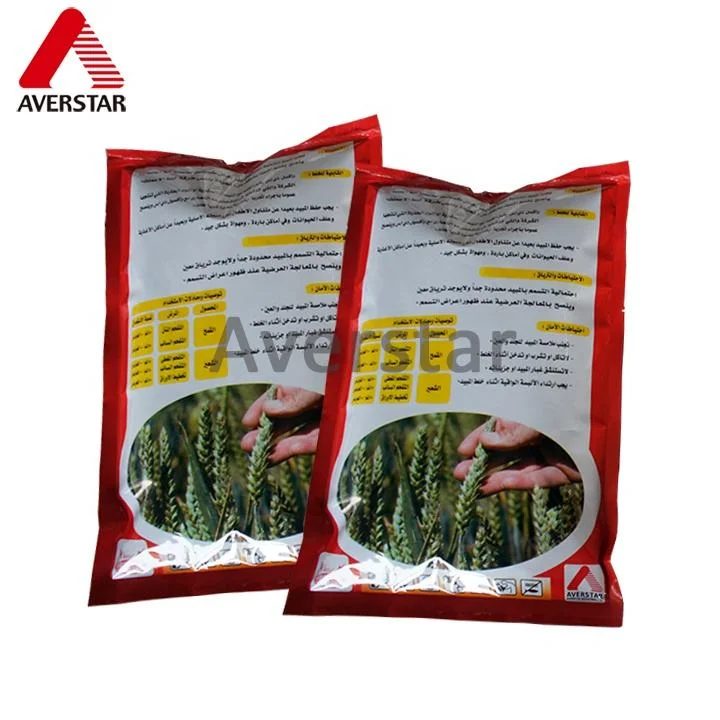
Triazole fungicides are among the most widely used disease-control products in cereals, fruit and vegetables, and buyers often find several of them in one price list. They share a mode of action, so the choice between them is about the target disease, the crop on the label and how the product fits a resistance-management programme, rather than about which triazole is "strongest".
Averstar's catalogue lists flutriafol 12.5% SC, penconazole 20% EW, prothioconazole 250 g/L EC, triadimefon 20% EC and triadimenol 50% WP. This guide explains what the group does, how the five actives are positioned and which documents to request. The approved destination-market label always decides the permitted crops, diseases, dose, timing and restrictions for the product actually supplied.
Quick answer: Choose the triazole by the disease and crop on the label, use it within a programme that alternates or mixes with other FRAC groups, and remember that all triazoles are FRAC Group 3. They do not control oomycete diseases such as downy mildew or late blight.
What triazole fungicides do
Triazoles inhibit sterol biosynthesis in fungi: they block a demethylation step needed to make ergosterol for fungal cell membranes. FRAC's mode of action classification places these demethylation inhibitors (DMIs) in Group 3, and FRAC's SBI working group publishes resistance-management recommendations for them.
Most triazoles are systemic, with protective and some curative activity, which means they can stop recent infections as well as protect new tissue. Oomycetes such as downy mildews and Phytophthora do not depend on the same sterol pathway, so triazoles are not products for those diseases; our dimethomorph guide covers that group of pathogens. Some triazoles can also slow crop growth if applied outside the conditions on the label.
How the five actives are positioned
University of Hertfordshire Pesticide Properties Database (PPDB) records describe the actives as follows:
- Flutriafol: a curative and preventive triazole for leaf and ear diseases, usually in cereals.
- Penconazole: a systemic fungicide with curative and protective action, used against diseases such as powdery mildew and scab.
- Prothioconazole: used both as a seed treatment and as a foliar spray against a variety of leaf and stem diseases, with long-lasting systemic activity.
- Triadimefon: a systemic fungicide with protective, curative and eradicant action against diseases such as powdery mildews in many crops. In plants it is partly converted to triadimenol.
- Triadimenol: used in cereals and other crops against powdery mildew, rusts, bunts, smuts and eyespot.
Our tebuconazole and difenoconazole guides cover two more Group 3 actives. Registration status differs between countries for several older triazoles, so confirm each active in the destination market before preparing samples.
Resistance management for Group 3
Reduced sensitivity to triazoles usually develops gradually in fungal populations rather than all at once, and it can affect the whole group. Switching from one triazole to another is therefore not a rotation. Follow the FRAC recommendations and the label: alternate or mix triazoles with fungicides from other groups, apply them preventively or early in disease development, and avoid using reduced rates that select for less sensitive strains. Our fungicide mode of action guide explains how groups are combined.
Compare the catalogue formulations
- Flutriafol 12.5% SC: a suspension concentrate, water-based and tested for suspensibility.
- Penconazole 20% EW: an emulsion in water, checked for emulsion stability and protected from freezing.
- Prothioconazole 250 g/L EC and Triadimefon 20% EC: emulsifiable concentrates, solvent-based liquids that need solvent-compatible packaging.
- Triadimenol 50% WP: a wettable powder, tested for suspensibility and wettability and packed to keep dry.
Keep the concentration unit identical on the quotation, certificate of analysis and label; g/L and % are not interchangeable without knowing the density. Penn State Extension's overview of pesticide formulations compares these formulation types, and FAO/WHO pesticide specifications describe the properties buyers test.
A product selection checklist
- The target disease and pathogen, confirmed as one the label lists for the crop.
- The crop and crop stage, including any seed-treatment use.
- The FRAC groups already used, so the triazole is alternated or mixed with another group.
- Registration status of the active in the destination market.
- Concentration and unit matched on quotation, certificate of analysis and label.
- Formulation tests suited to SC, EW, EC or WP products.
- Packaging, safety data sheet and translated label artwork.
Build the inquiry around the intended use
Send the crop, the target disease, the spray programme, the preferred active and concentration, the packaging and the destination market through our contact form. For a first order, a pesticide sample evaluation plan helps compare samples against the agreed specification before scaling up.
Frequently asked questions
Do triazoles control downy mildew or late blight?
No. These diseases are caused by oomycetes, which triazoles do not control. Use products registered for oomycete diseases, such as those in the CAA or phenylamide groups, as the label allows.
Can tebuconazole and difenoconazole be rotated with each other?
Not for resistance management. Both are triazoles in FRAC Group 3, like the actives in this guide. Alternate or mix them with a fungicide from another group.
Is triadimefon the same as triadimenol?
They are related: plants partly convert triadimefon to triadimenol. They are registered as separate actives with their own labels, crops and rates, so compare them only on the label of the product registered in your market.
Authoritative references
- FRAC Mode of Action Groups - Fungicide Resistance Action Committee
- SBI Fungicides – FRAC Working Group - Fungicide Resistance Action Committee
- PPDB: Flutriafol - University of Hertfordshire PPDB
- PPDB: Penconazole - University of Hertfordshire PPDB
- PPDB: Prothioconazole - University of Hertfordshire PPDB
- PPDB: Triadimefon - University of Hertfordshire PPDB
- PPDB: Triadimenol - University of Hertfordshire PPDB
- Pesticide Formulations - Penn State Extension
- Pesticide Specifications and Quality Control (FAO/WHO JMPS) - FAO