
Averstar Chemical Editorial Team Updated October 29, 2026
Pesticide Supplier Changes: A Buyer Review Checklist
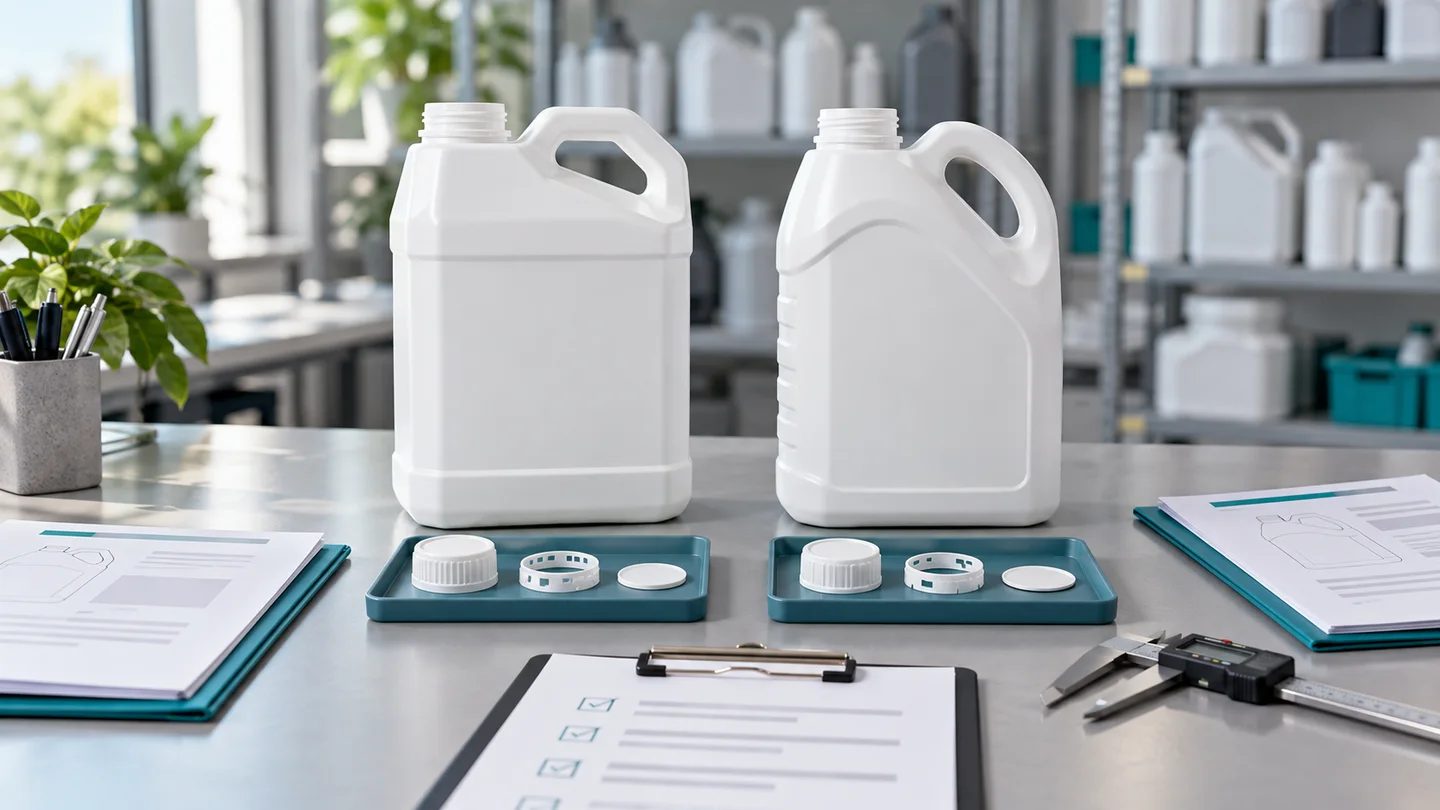
A pesticide supplier change notification should tell the buyer what will change, why it is changing, which orders or batches are affected, and what evidence supports the proposal. Review those points before accepting the revised configuration. An unchanged trade name or declared active ingredient is not enough information to close the purchasing review.
This guide is for importers and distributors managing repeat orders. It proposes a practical communication and review process for changes involving formulation inputs, manufacturing arrangements, packaging or controlled documents. It does not classify changes under any country's registration system; that assessment belongs with the responsible registration owner and qualified local reviewer.
Quick answer: Request a before-and-after description, identify affected stock and documents, assign technical and regulatory review, document the purchasing decision, and verify the first affected delivery. Agree notification responsibilities when setting up the supply relationship so changes do not first appear at goods receiving.
Define what needs a notification
Include a change-notification section in the purchasing arrangement. As a proposed starting point, ask suppliers to flag changes to the agreed product identity, manufacturing source, formulation inputs, specification, test method, container or closure, label artwork and supporting documents. Tailor the scope with your technical team instead of treating this list as a legal definition.
Agree who receives the notice and at what stage. A message sent only to the sales contact may not reach the person reviewing technical evidence. A practical arrangement names the buyer's purchasing and technical contacts, requires acknowledgment, and explains how open notices affect pending orders.
Keep the wording precise. The phrase “equivalent material” should lead to a request for the basis of that comparison, not an automatic rejection or approval. Likewise, “packaging improvement” does not explain whether a bottle shape, material, cap, liner or sealing arrangement has changed. Ask for the actual difference.
Ask for a before-and-after comparison
Use one record for the proposed change and link it to the relevant product. Preserve the existing approved purchasing description alongside the proposed replacement. When confidential formulation information is involved, agree how qualified reviewers will access the necessary evidence rather than placing sensitive details in a widely circulated email chain.
- Product identity: Existing configuration: Current product and specification revision; Proposed configuration: Proposed identity and revision.
- Change description: Existing configuration: Component or arrangement currently supplied; Proposed configuration: Specific replacement and stated reason.
- Manufacturing information: Existing configuration: Source or site recorded in the purchase file; Proposed configuration: Proposed source or site information.
- Packaging: Existing configuration: Container, closure and approved artwork references; Proposed configuration: Revised component and artwork references.
- Evidence: Existing configuration: Reports supporting the current configuration; Proposed configuration: New evidence or justification for applicability.
- Transition: Existing configuration: Outstanding orders and available stock; Proposed configuration: First affected batch and proposed timing.
This is a proposed buyer worksheet. Leave a field open when the supplier has not provided the information. The purpose is to expose questions early, not to make a comparison look complete by copying the previous entry into the new column.
Match the evidence to the change
Ask the technical reviewer which conclusions from the existing file still apply and which need further support. For example, a change to a container or closure should prompt a question about the relevance of the available packaging evidence. A change to a method should prompt a question about comparability with the agreed test requirements. These are review questions, not automatic requirements for identical testing in every case.
CropLife International's Technical Monograph No. 17 discusses shelf life in relation to formulation, packaging and storage conditions, and includes sections on packaging suitability and formulation changes. Its practical relevance here is that existing evidence needs an applicability assessment when the configuration changes. The document should not be used as a blanket authorization for a particular supplier's proposal.
Review the specification reference as well. FAO explains that its pesticide specifications provide quality references for trade and national authorities. Ask the reviewer to identify the applicable reference and scope instead of accepting “same FAO standard” as a complete change assessment. The site's technical-material equivalence guide provides related background for source discussions.
Request document identifiers, dates and the configuration covered by each report. A report can be relevant without having been written specifically for the latest purchase, but the reviewer should explain that relevance. Keep this explanation with the notification so a future colleague does not have to infer why older evidence was accepted.
Separate the decisions and name the owners
Organize the review around distinct decisions. The technical reviewer assesses the supporting evidence and open questions. The responsible regulatory reviewer determines the destination-market implications. Purchasing then records the commercial decision, including timing, price or delivery consequences where relevant. A favorable decision in one area should not silently close the others.
Avoid inventing a universal notification period or treating a supplier's proposed date as an agreed deadline. Record the time needed by the actual reviewers and reconcile it with pending orders. If an order cannot proceed while an issue remains open, make that status visible to the supplier and logistics team.
A useful decision record states the scope, conditions and approver. “Accepted for order X after the listed documentation is completed” communicates more than “approved.” If the evidence is insufficient, list the missing items and the next review step. That keeps the discussion focused on what would resolve the issue.
Control the first affected order
Before dispatch, reconcile the approved change with the order acknowledgment, label artwork, packing information and quality documents. Ask the supplier to identify the first affected batch and whether older stock remains in the supply chain. Where both versions may be delivered, request a clear mapping rather than relying on visual recognition at the warehouse.
Consider a hypothetical packaging change: the supplier proposes a different closure for the same container size. The buyer records the proposed closure reference, asks for the relevant technical assessment, updates the agreed packaging description after approval, and checks the identified first delivery. This example describes a review sequence; it does not establish that a particular closure is suitable.
Use the label artwork checklist if printed information changes, and the goods receiving checklist for delivery handover. Keep superseded documents available for traceability while clearly marking which version applies to new orders.
Make repeat orders easier to review
A pesticide supplier change notification process gives repeat purchasing a clear reference point. The buyer knows what was agreed, the supplier knows what to communicate, and receiving staff know which configuration to expect. Start with a simple controlled record and give every unresolved question an owner.
Contact Averstar with the product configuration, destination market and any notification or document-control requirements for your purchasing program. Include the relevant specification and packaging references so those expectations can be discussed before the next order is confirmed.
Frequently asked questions
Does every supplier change require new registration?
This checklist does not make that determination. The answer depends on the exact change, existing authorization and destination-market rules. Send the before-and-after description to the responsible registration owner or qualified local reviewer. Record their conclusion and any required action before treating the regulatory part of the review as complete.
Can the buyer accept a change by email?
An email can form part of the decision record if it clearly identifies the proposal, scope, conditions and authorized approver under the buyer's process. Avoid relying on a brief acknowledgment such as “received” as evidence of acceptance. Keep the technical assessment and relevant documents linked to the same record.
What should happen if the change is discovered after delivery?
Record the affected batch, the difference observed and the documents that were expected to apply. Refer the issue to the designated quality and purchasing owners under the receiving process. Request the supplier's explanation and supporting evidence before deciding the disposition of the affected stock or accepting future deliveries.
Authoritative references
- Technical Monograph No. 17 - CropLife International
- pesticide specifications - Food and Agriculture Organization of the United Nations