
Averstar Chemical Editorial Team Updated August 6, 2026
WHO Highly Hazardous Pesticides: A Buyer Due-Diligence Brief
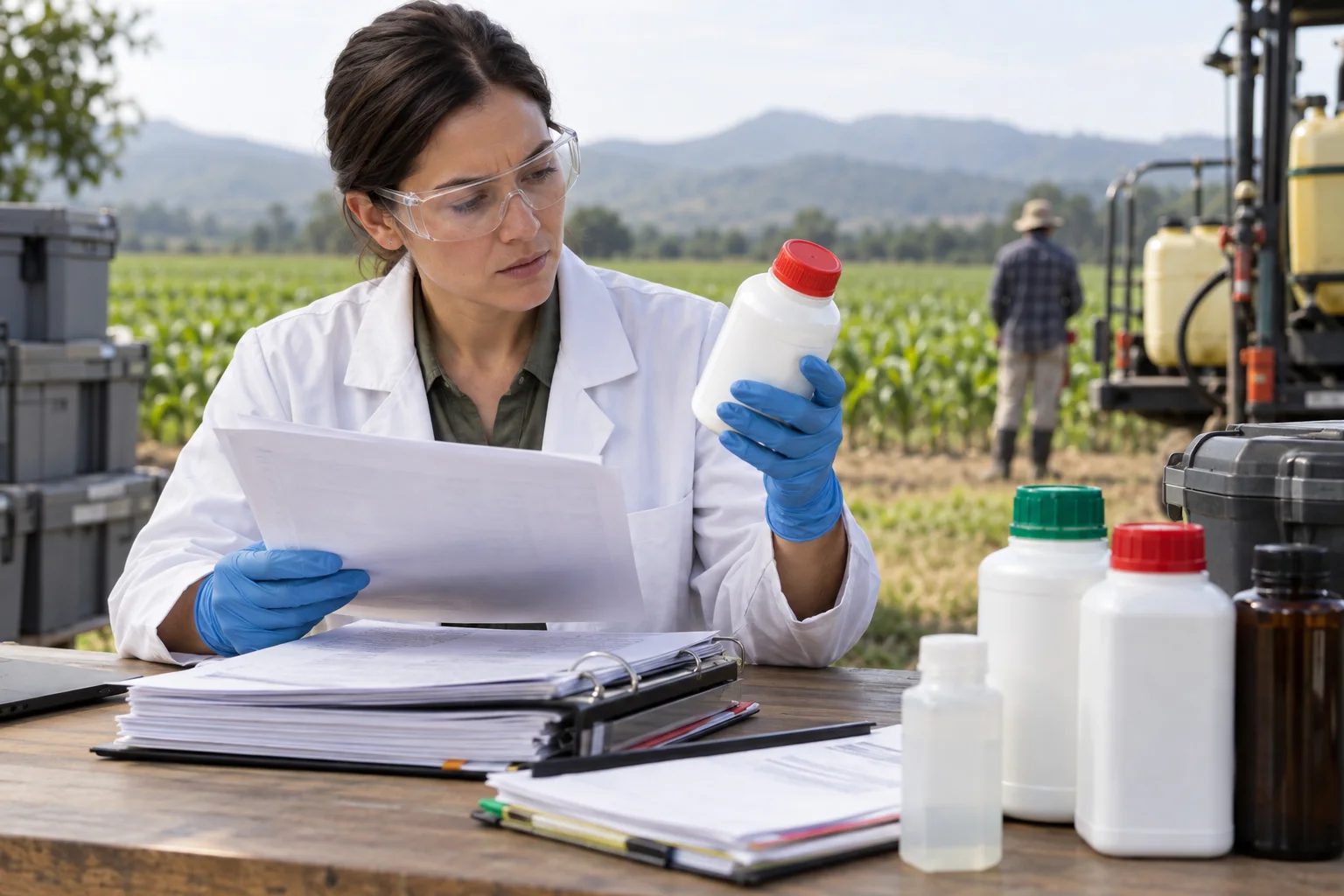
WHO Highly Hazardous Pesticides: A Buyer Due-Diligence Brief
This international crop-protection news brief explains WHO highly hazardous pesticides for importers, distributors and procurement teams. It is an educational sourcing resource, not legal advice, a product label, an approval decision or an application recommendation.
WHO and FAO resources on highly hazardous pesticides help policy makers and supply-chain participants frame risk questions. They do not replace the destination market’s classification, restrictions, registration decision or label requirements.
Why this matters for international supply conversations
A responsible commercial review separates general hazard information from an authorization decision. It documents what the product is, which documents support it, and who can confirm the applicable local requirements before it is offered or imported.
What the source can and cannot confirm
International authority resources can establish the scope of a framework, identify the questions that require attention and provide stable primary references. They cannot confirm that a specific trade name, formulation, use pattern, package or shipment is authorized in a destination country. That determination belongs to the competent authority and the current local regulatory framework.
A practical document-control workflow
The following workflow helps prevent a broad policy or standards reference from becoming an unsupported commercial claim.
- Ask for the exact product identity, formulation, concentration and current safety data sheet.
- Confirm that proposed labels and package sizes match the same commercial configuration.
- Identify the destination authority and local professional responsible for compliance review.
- Do not describe a product as permitted, restricted or suitable for use without current jurisdiction-specific evidence.
Questions to resolve before a commercial commitment
Ask which document controls the exact product being discussed, when it was issued, whether the label language has been accepted locally and whether any change in manufacturer, formulation, source, pack or trade name requires a new review. Capture the answers in the buyer file. A clear unanswered question is safer than an assumption that later appears in a quotation, website claim or shipment document.
This approach is designed for traceability rather than delay. It lets sales, technical, logistics and regulatory colleagues work from the same versioned record, makes evidence gaps visible early and gives the destination-market reviewer a clear starting point.
Keep the decision boundary clear
A quotation, product photograph or generic technical statement does not prove compliance. Before a product is promoted, sampled, imported or supplied, compare the relevant product records and confirm the legal route in the intended market. Where documents conflict, pause the commercial step, identify the document owner and obtain an updated, dated record.
How Averstar uses international references
Averstar uses primary international sources to keep buyer discussions traceable and to identify questions that need local verification. We do not present a general framework as registration approval, and we do not make country-specific claims unless supported by the applicable authority or customer-approved documentation.
Primary sources
Authoritative source: WHO: Highly hazardous pesticides
Authoritative source: FAO: Pesticide management
Authoritative source: WHO: Pesticides
These links are included so that readers can review the original authority material. Requirements and availability can change; always validate the current position with the competent authority in the destination market.
Frequently asked questions
Can WHO highly hazardous pesticides confirm that a product may be imported? No. It can guide research and document questions, but it does not replace the destination market’s registration, import or label requirements.
What should happen when supplier documents do not match? Stop the comparison, identify the document owner and request a dated update. Product identity, label, safety and commercial documents should describe the same configuration before the file moves forward.
Who makes the final compliance decision? The competent authority and qualified local regulatory professionals in the destination market determine the applicable route and requirements.
Authoritative references
- Highly Hazardous Pesticides - World Health Organization (WHO)
- Pest and Pesticide Management - Food and Agriculture Organization of the United Nations (FAO)
- Pesticide safety and health resources - World Health Organization (WHO)