
Averstar Industrial Co., Ltd Editorial Team Updated October 13, 2026
FAO Plant Health Seminar Highlights Integrated Pest Management
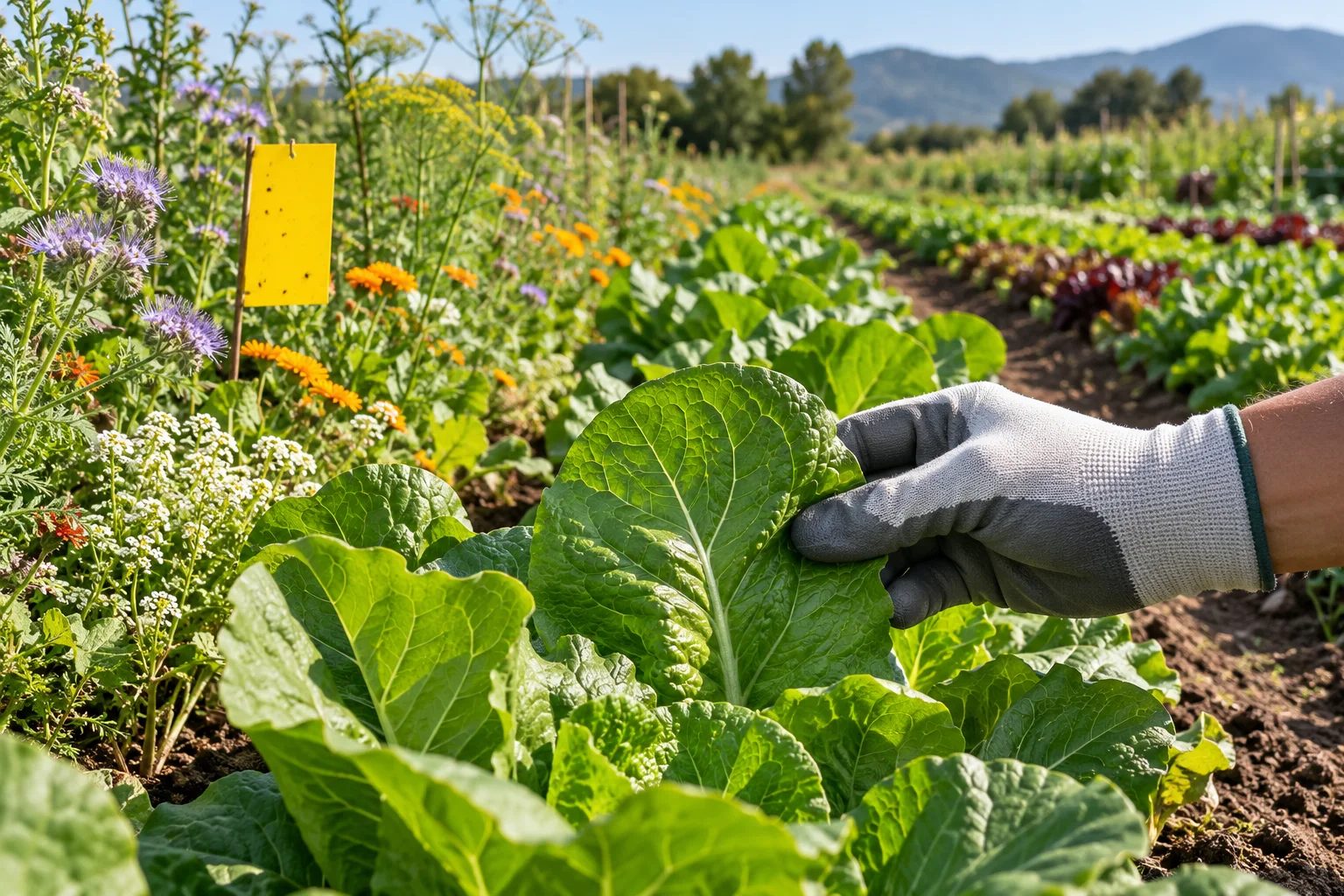
A September 24, 2026 seminar hosted by the Food and Agriculture Organization of the United Nations put integrated approaches at the centre of sustainable plant health. In a report published on September 29, FAO described contributions from Indonesia, the United Kingdom and its own Plant Production and Protection Division on reducing reliance on chemical pesticides while maintaining productive farming systems.
For crop-protection distributors and procurement teams, the message is a practical one: evaluate how an intervention fits into the whole crop-management programme. A product comparison becomes more useful when it includes pest identification, local farming conditions, biological options, soil management and farmer support. The seminar reported experiences and priorities; it was not a product registration decision or a new purchasing requirement.
Indonesia: biological approaches within a wider strategy
FAO reported that Professor Suryo Wiyono of IPB University presented Indonesian experience with integrated biological pest management. The discussion linked beneficial microorganisms, improved soil management and ecosystem health with efforts to manage pests and diseases while reducing pesticide use. Wiyono stressed the need for a comprehensive strategy addressing the range of pest challenges in the field rather than relying on a single intervention.
The report does not identify an across-the-board replacement for every chemical treatment, nor does it provide a universal efficacy percentage. A buyer considering a biological option should request evidence for the actual crop, pest, production system and local conditions. Relevant questions include what was evaluated, how the comparison was made and whether the trial conditions match those of the intended users.
Crop diversity and support for adoption
Elisabeth Warham of the Royal Botanic Gardens, Kew, brought a biodiversity perspective to the seminar. Drawing on experience from Ethiopia, she discussed agroecology and local crop diversity as contributors to resilience. FAO also reported that Julian Smith of Agri-Plant Health Consultancy emphasized research, innovation and farmer support when discussing the implementation of integrated pest management at scale.
These contributions broaden the procurement discussion beyond a choice between two products. Crop varieties, soil conditions and access to technical support can form part of the implementation plan that local advisers assess. When a distributor proposes a new crop-protection approach, it should explain what advice, training and follow-up are available rather than assuming that a product shipment by itself delivers the outcome described in a research or policy discussion.
How FAO defines integrated pest management
FAO defines integrated pest management, or IPM, as careful consideration of available pest-control techniques followed by the integration of appropriate measures that discourage pest populations. Its IPM guidance describes biological, chemical, physical and crop-specific cultural approaches within an ecological systems perspective. The aim is healthy crops with minimal disruption to agricultural ecosystems and reduced risks from pesticides.
That definition matters when a supplier uses the term IPM-compatible. The wording should lead to a discussion of the product role, supporting evidence and conditions of use, not serve as a stand-alone quality certificate. Procurement staff can ask the local agronomist how the proposed intervention fits with monitoring, existing biological controls, cultural practices and the crop-management programme already in place.
Chemical measures remain among the techniques described in FAO guidance, alongside the other approaches. Consequently, the seminar should not be presented as an announcement that all chemical crop protection is being prohibited. It supports a broader management approach. Any specific product offer still needs to be assessed against its evidence, approved label and the current requirements of the destination market.
Questions for a crop-protection supplier
- Which crop, pest or disease and production conditions were covered by the supporting trials, and how close are they to the intended market?
- What is the proposed role of the product within an integrated programme, and which decisions require a qualified local adviser?
- What evidence supports claims about beneficial organisms, compatibility with other measures and performance under the intended conditions?
- Which technical documents, locally accepted labels and farmer-support materials can the supplier provide for the proposed formulation?
- Who will record field observations and review the results after a pilot, rather than relying only on a marketing statement?
Build a comparison around evidence and implementation
A useful buyer comparison can place conventional and biological options in the same decision record while keeping their evidence separate. Record the product identity, intended role, supporting study, label status, handling requirements and technical-support contact for each option. If a supplier cannot support a particular claim, mark it as a question for review rather than copying it into the commercial specification.
For example, a distributor preparing a vegetable-crop programme can ask its local adviser to define the target problem and assess the proposed measures before agreeing a pilot. The buyer can then request formulation-specific documents, a clear trial proposal and a record of who will interpret the observations. This is a suggested procurement workflow, not a treatment schedule or a claim that one combination is suitable for every farm.
Where a programme includes insecticides, the insecticide resistance management buyer checklist can help structure questions about mode-of-action information and supporting technical advice. Use that information alongside the locally approved label and professional assessment. A broader IPM discussion should improve the quality of those questions rather than replace the product-specific review.
Keep the news and the purchasing decision connected
FAO called for cooperation among governments, researchers, extension services, farmer organizations, the private sector and development partners to bring sustainable approaches into the field. For supply teams, a proportionate response is to review the evidence requested from suppliers and the support available to customers. The report offers a direction for that review without resolving the status or performance of an individual commercial product.
The next supplier discussion can therefore start with three concrete items: the crop problem, the proposed role of each intervention and the evidence needed to assess it. Add a named local technical reviewer and a plan for recording results. This turns a general sustainability message into an accountable sourcing conversation while keeping field decisions with qualified professionals.
Frequently asked questions
When did the FAO sustainable plant health seminar take place?
FAO reports that its Plant Production and Protection Division hosted the seminar on September 24, 2026. The report was published on September 29, 2026.
Did the seminar announce a ban on chemical pesticides?
No. The report discusses sustainable plant health and reducing reliance on chemical pesticides. FAO IPM guidance includes chemical measures alongside biological, physical and cultural approaches; the report is not a regulatory ban or a product approval.
What should a distributor ask before introducing an IPM product?
Ask for evidence relevant to the crop, target pest and local conditions, the role of the product within the programme, current label and regulatory documents, and the technical support available. Have a qualified local adviser review the proposed approach.
Authoritative references
- Experts call for stronger action on sustainable plant health - Food and Agriculture Organization of the United Nations
- Integrated Pest Management - Food and Agriculture Organization of the United Nations